
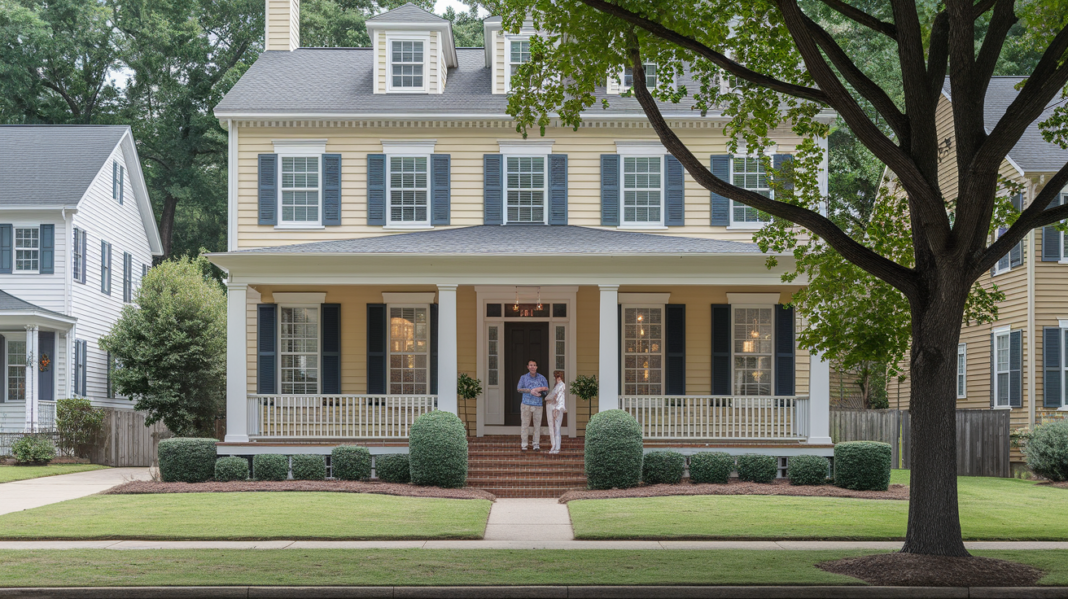

Think you have to throw thousands at renovations to sell quickly in Atlanta? Think again.
You can often move a house faster by pricing it right, fixing what buyers actually notice, and marketing smart, without a giant budget.
This post clearly shows low-cost prep, Atlanta-specific pricing tactics, timing tips for ITP and OTP markets, and which selling route, agent, cash buyer, or FSBO, usually gets the fastest sale without overspending.
How Atlanta Homeowners Can Sell Faster While Keeping Costs Low

Atlanta’s housing market moves fast if you’re ready for it. Time on market usually sits between 25 and 40 days depending on where you are. Inside the Perimeter? Different story than Gwinnett County. But here’s what doesn’t change: homes priced right from the start get two to three times more showings in week one. Buyers don’t slow down to give you a second chance. Your listing either grabs them or it doesn’t.
Fast sales don’t need expensive renovations. They need smart moves. Atlanta buyers notice clean interiors, working systems, decent curb appeal, and a price that actually fits the neighborhood. Spend under $500 on cleaning, decluttering, and a few exterior fixes and you’ll often beat sellers who dropped thousands on upgrades nobody asked for. You’re not competing with home improvement shows. You’re helping a buyer see themselves living there.
Speed comes down to four things: price it right, prep what counts, list it well, and pick good timing.
Run a real CMA and price within 1–2% of what homes actually sell for. Not what you want. What the market says.
Deep clean, declutter, touch up paint, tidy the yard, fix the obvious stuff. That’s it.
Get good photos and write a listing that tells people what they need to know. Location, condition, the practical details.
List when buyers are actively looking. Late spring or early summer if you can swing it. And be ready to show the house without making people wait three days.
None of this guarantees a bidding war. But it puts you in position to move fast without wasting money on things that don’t matter.
Pricing Strategies That Speed Up Sales in the Atlanta Market

Pricing decides how fast you sell. In high demand areas like Decatur, Brookhaven, or parts of East Cobb, homes priced within 1 to 2% of real market value go under contract in seven to ten days. Price it 5% over and you’re sitting for an extra month, maybe longer. Buyers here do their homework. They’re comparing your place to three others on your street, and if your number’s off, they keep scrolling.
Your agent should pull a CMA with recent sales, active listings, and pending deals right in your area. Don’t trust Zillow or your neighbor’s opinion. Look at what closed in the last 60 days, then adjust for condition, lot size, updates. If comparable homes list at $350,000 and sell at $345,000, you know where things stand. Price at $348,000 and people pay attention. Price at $365,000 and you wait.
Three ways to price that actually work here:
Match and undercut. List 1–2% below the lowest comparable active listing. You’ll get showings faster and maybe spark multiple offers.
Neighborhood micro pricing. In areas with big price swings like parts of Sandy Springs or Marietta, aim for the lower end of your street’s range. You’ll catch buyers filtering by budget.
Time limited pricing. Launch at a fair price with a 48 to 72 hour review window. Creates urgency, especially in hot pockets like Smyrna or Chamblee.
You’re not giving your house away. You’re just hitting the market at the speed buyers are moving.
Low-Cost Improvements That Increase Buyer Appeal in Atlanta
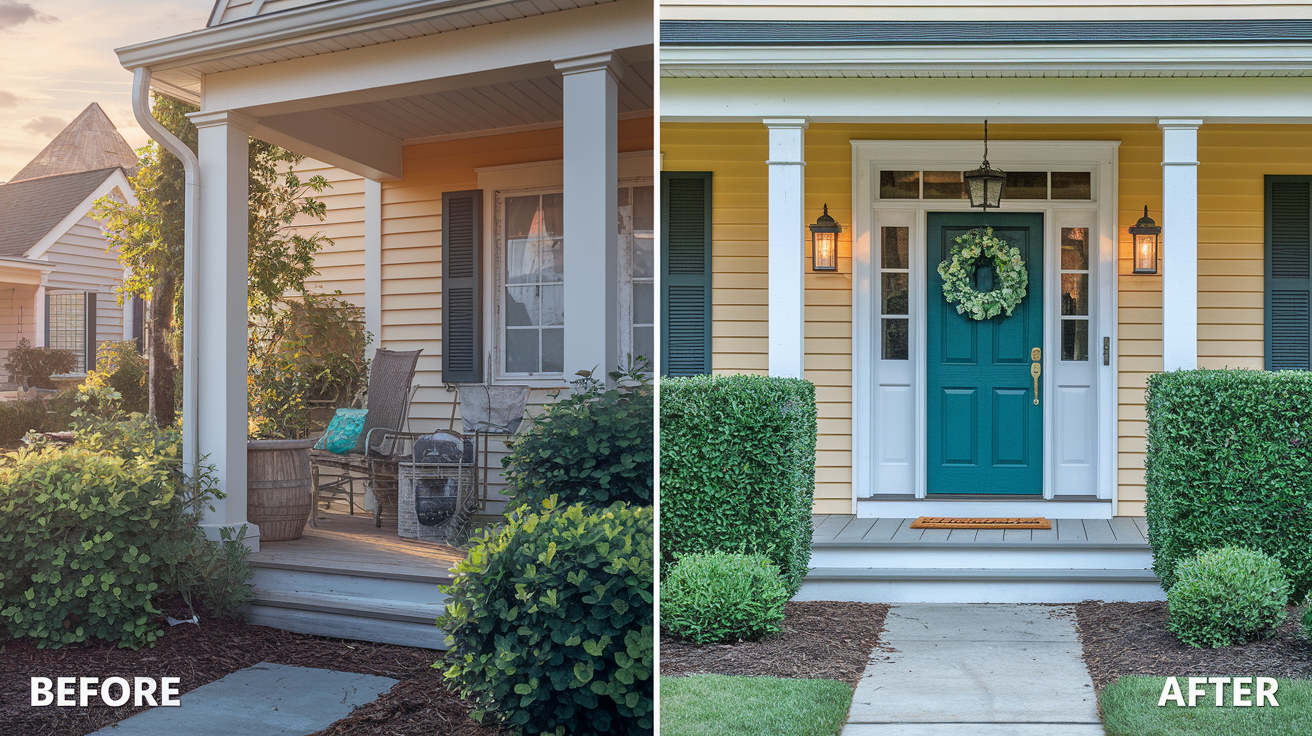
Atlanta buyers want clean, functional, move in ready. Not marble counters. If your place feels cluttered, smells like pets, or has a weedy front yard, buyers are mentally knocking thousands off before they even step inside. Good news is you can fix most of it for a few hundred bucks and a weekend.
Deep clean first. Not regular cleaning. Baseboards, ceiling fans, inside cabinets, grout, windows. If you don’t have time, hire someone. Costs $200 to $400 and it’s one of the best returns you’ll get. Then declutter. Pack up personal photos, kids’ stuff, collections, anything that makes a room feel crowded. Rent a storage unit if you need space. Buyers want to picture their things in your house.
Curb appeal matters here because buyers drive by before they tour. You don’t need a landscape crew. Fresh mulch, trimmed hedges, swept driveway, a front door that looks decent. Faded house numbers or a rusty mailbox? Replace them. Costs $50 to $100. Power wash the siding and driveway if you can. Rent the gear for $75 a day or pay someone $150 to $300.
Five cheap fixes that make a real difference:
Touch up interior paint in neutral tones. Hit the high traffic areas and any walls with scuffs or weird colors.
Replace burned out bulbs. Use brighter LEDs in dim rooms.
Fix leaky faucets, running toilets, obvious plumbing problems.
Clean or replace HVAC filters and get a basic service check for $100–$150.
Add a new doormat, potted plants by the front door, fresh mulch where people can see it.
Not glamorous, but it signals the house has been maintained. That speeds up decisions.
Budget-Friendly Staging Tactics That Work in Atlanta Homes

Staging doesn’t mean renting a truckload of expensive furniture. It means arranging what you’ve got to make rooms feel open, neutral, easy to picture yourself in. DIY staging can cut your time on market by up to 30% compared to leaving things cluttered or empty. You’re just trying to help buyers see the space instead of your stuff.
Remove at least a third of your furniture. If a room feels crowded, it is. Push what’s left away from walls to create flow. Open blinds and curtains during showings. Let in all the natural light you can. Clean windows inside and out. Free and makes rooms feel bigger. Swap heavy drapes for sheer curtains if you have them.
Bedrooms should feel like hotel rooms, not lived in bedrooms. Simple white or neutral bedding. Clear off nightstands except for a lamp and maybe one small plant. In the kitchen, clear countertops except for a bowl of fruit or a small plant. Buyers want to see counter space, not your appliance collection.
You don’t need to spend money on this. Rearrange what you have. Borrow a few pieces from a friend if a room feels too empty. Keep it neutral. If you’ve got bold paint or busy wallpaper, consider a fresh coat of soft gray or warm white. That’s a $100 to $300 DIY job that often returns ten times that in how buyers see the place.
Comparing Selling Methods: Agents, Cash Buyers, and FSBO in Atlanta
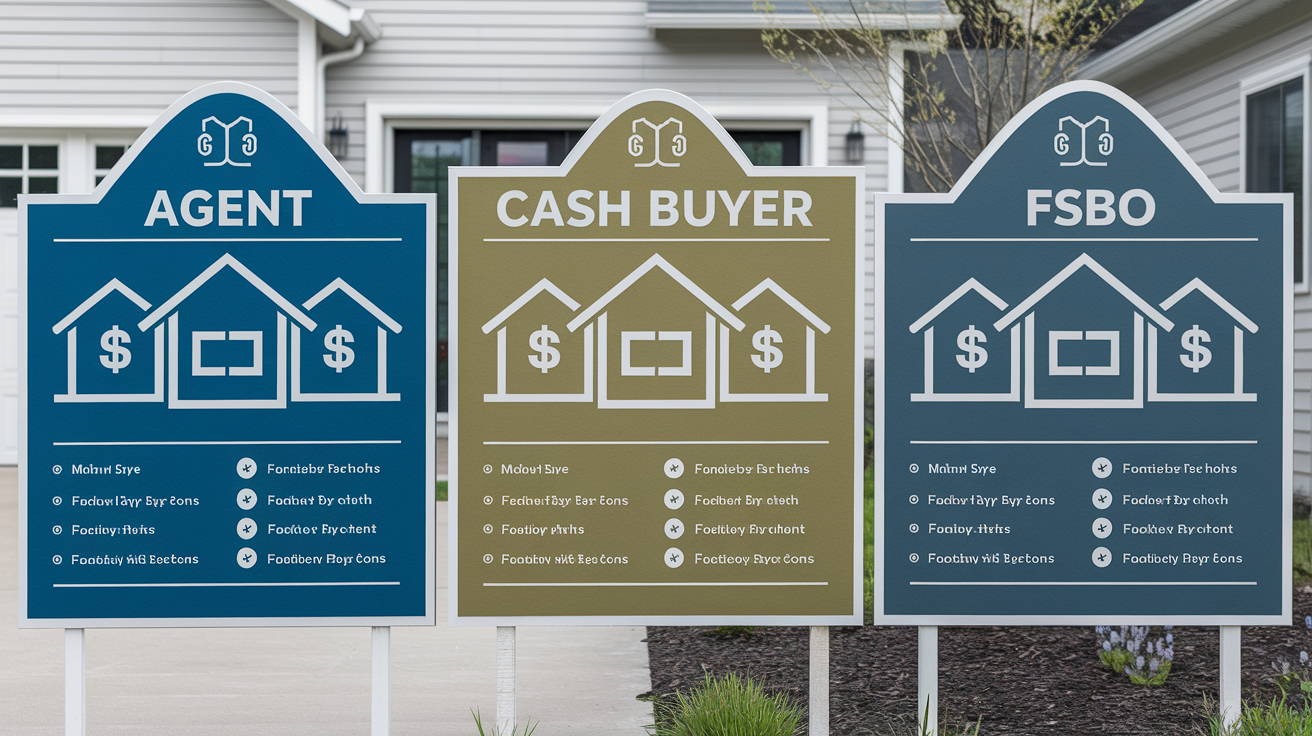
How you sell affects both speed and cost. Most Atlanta sellers go one of three ways: full service agent, cash buyer or investor, or FSBO. Each has trade offs. Right choice depends on how fast you need to close and how much risk you’re comfortable with.
Selling With a Real Estate Agent
A full service agent lists your home on the MLS, markets it, handles showings, negotiates offers, walks you through closing. You’ll pay around 5–6% in commission (split between your agent and the buyer’s agent). On a $350,000 home that’s $17,500 to $21,000. Upside is exposure. Agents have buyer networks, professional photography, negotiation experience. Homes listed by agents typically sell closer to asking and often get multiple offers when priced right. Average time to contract is 14 to 30 days in active neighborhoods, then another 30 to 45 to close.
Selling to a Cash Buyer
Cash buyers and local investors can close in 7 to 14 days. You skip repairs, staging, showings, most closing costs. Catch is price. Cash offers usually run 60–85% of fair market value depending on condition and location. If your house needs work or you’re rushing to avoid foreclosure or relocate, the trade might make sense. You get certainty and speed. But you leave money on the table compared to a traditional sale.
Selling FSBO
FSBO lets you skip paying a listing agent’s commission (around 3%), but you still usually offer 2.5–3% to the buyer’s agent or you won’t get showings. You handle marketing, showings, negotiations, paperwork yourself. Flat fee MLS services cost $100 to $500 and get you onto Zillow and Realtor.com, but you’re on your own for photos, descriptions, timing. FSBO homes in Georgia often sit longer. 60 to 120+ days. Studies show they usually sell for 5–8% less than agent listed homes. If you’re experienced and have time, it can work. If you’re in a hurry, it usually doesn’t.
| Method | Avg Time to Sell | Typical Costs | Pros | Cons |
|---|---|---|---|---|
| Full-Service Agent | 14–30 days to contract; 30–45 days to close | 5–6% commission | High exposure, professional marketing, negotiation support | Higher upfront cost |
| Cash Buyer | 7–14 days | Minimal (buyer covers most closing costs) | Fast, no repairs, no showings | Offers typically 60–85% of market value |
| FSBO | 60–120+ days | Flat-fee MLS $100–$500; buyer agent commission ~3% | Save on listing commission | Longer time on market, lower average sale price, more work |
Marketing Tactics That Help Atlanta Homes Gain Faster Visibility

Good marketing doesn’t cost much. Bad marketing costs you time. First thing buyers see is your listing photo. If it’s dark, blurry, or shot on a phone, they scroll past. Professional photos cost $100 to $300 in Atlanta and can boost your click rate by up to 40%. Worth it. Schedule the shoot for a sunny day, turn on every light, open blinds, make sure the house is spotless.
Your listing description matters too. Atlanta buyers filter by school district, commute time, neighborhood feel. Don’t write “charming starter home.” Write “3 bedroom ranch in East Cobb, 10 minutes to Marietta Square, Walton High School district, new HVAC 2022, fenced backyard.” Be specific. Be honest. If your house backs up to a busy road, say so. Buyers find out anyway and surprises kill deals.
Atlanta buyers use mobile apps and social platforms more than desktop. Your listing needs to load fast, look good on a phone, show up in the right searches. If your agent isn’t promoting your home on Facebook, Instagram, and Zillow’s Premier Agent network, ask why. You can run your own targeted Facebook ads to local ZIP codes for $50 to $100 and reach hundreds of potential buyers in a weekend. Most people don’t bother, which is why it works when you do.
Understanding Atlanta’s Market Timing for a Faster Sale
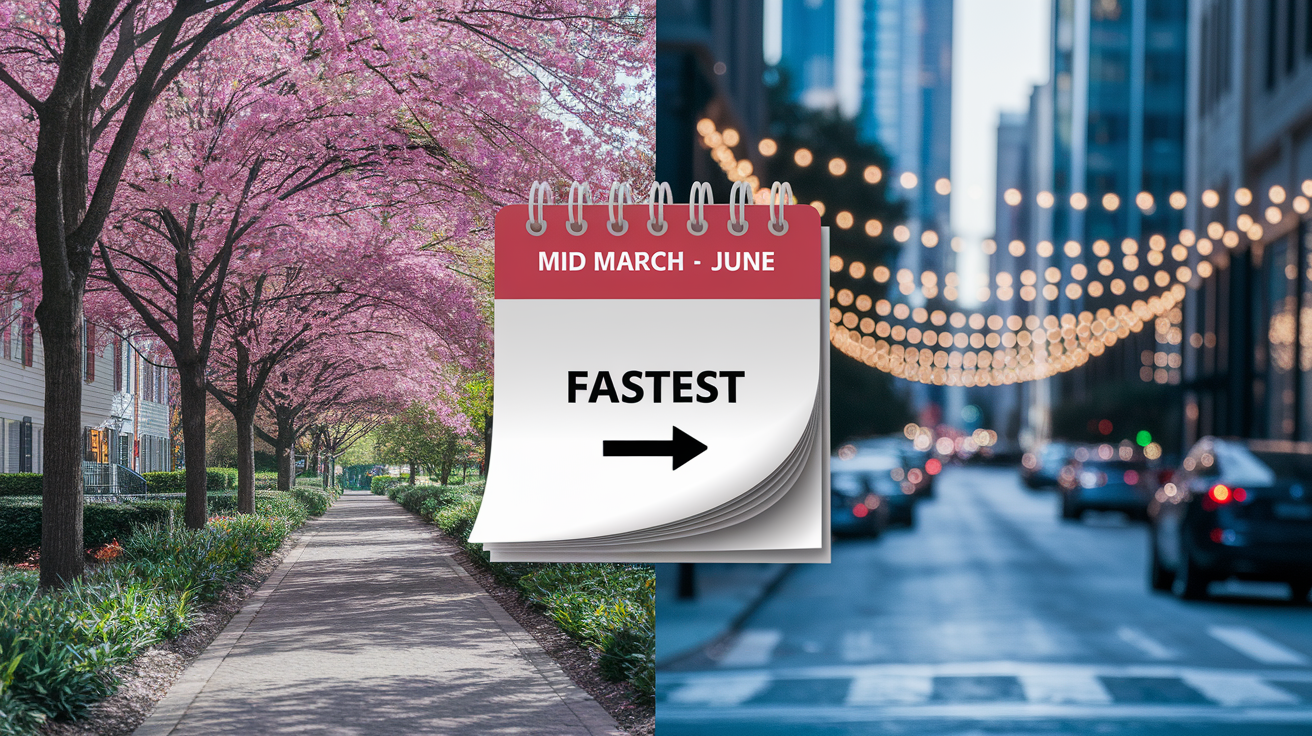
Timing affects how many buyers are looking and how much competition you’re facing from other sellers. Late spring and early summer, roughly mid March through June, are the fastest months to sell in Metro Atlanta. Families want to move before school starts, weather’s good for house hunting, inventory is high so there’s urgency. List in May and you’ll probably get multiple showings within the first week. List in December and you might wait three times as long.
Mid winter sees a 10–15% drop in showing traffic. Buyers are busy with holidays, tax season, or waiting for spring inventory. If you need to sell in winter, price aggressively and make your home feel warm and inviting during showings. Turn on lights, set the thermostat to comfortable, consider timing your listing for late January or early February when serious buyers start looking before the spring rush. Neighborhoods with strong school ratings like Brookhaven, Johns Creek, or Decatur see more consistent activity year round. But even there, spring wins.
Minimizing Transaction Costs During the Selling Process

Seller closing costs in Georgia usually run 5–8% of your sale price. On a $350,000 home that’s $17,500 to $28,000. Biggest piece is commission, but you’ll also pay for title insurance, attorney fees, transfer taxes, prorated property taxes, and any buyer requested repairs or credits. Some of those are negotiable or optional. Knowing where you can trim makes a difference.
Shop around for title companies and real estate attorneys. Fees vary, sometimes by hundreds of dollars. Ask your agent for recommendations but get at least two quotes. If a buyer requests repairs after the inspection, consider offering a credit instead of doing the work yourself. A $1,500 credit is often cheaper and faster than hiring contractors and coordinating repairs. You can also negotiate who pays for the home warranty, survey, or other optional items. Don’t assume every line on the closing disclosure is locked in.
Three ways to cut transaction costs:
Negotiate repair credits instead of completing repairs. Saves time and often costs less than hiring contractors.
Get multiple quotes for title, attorney, and escrow services. Fees can vary by $300 to $800.
Skip optional upgrades and pre listing expenses. Don’t do the $5,000 kitchen remodel. Focus on cleaning, paint, curb appeal.
Every dollar you don’t spend is a dollar you keep at closing. Speed matters, but so does protecting your net proceeds.
Final Words
In the action, we covered the fast, low-cost steps that move Atlanta listings: smart pricing, small repairs, DIY staging, better photos, and timing for peak demand.
You also saw the tradeoffs between agents, cash buyers, and FSBO, plus concrete ways to cut closing and prep costs. The aim is more showings and fewer days on market without overspending.
Following the how to sell a house quickly in atlanta without overspending approach will often get you stronger offers sooner.
FAQ
Q: What is the 3-3-3 rule in real estate?
A: The 3-3-3 rule in real estate is a heuristic many Atlanta agents use: set a competitive price, watch market response for three weeks, then make staged pricing or marketing changes if showings or offers lag.
Q: How to sell your house fast without losing money?
A: To sell fast without losing money, price competitively, fix low‑cost repairs, stage and photograph well, get a short inspection, and negotiate smartly—time your listing to Atlanta demand to attract better offers.
Q: How much does a realtor make off of a $300,000 house?
A: A realtor’s total commission on a $300,000 sale is usually 5–6% ($15,000–$18,000); the individual agent’s take depends on brokerage split and fees, often about $3,000–$9,000.
Q: What devalues a house most?
A: The things that most devalue a house are major deferred maintenance, water or foundation damage, outdated or unsafe systems, bad location (noise, flooding), poor curb appeal, or unauthorized remodeling.