


When Atlanta’s housing market slows, buyers suddenly get the upper hand.
Price drops happen, listings sit longer, and sellers start paying repair credits or closing costs.
That doesn’t mean every neighborhood is suddenly cheap.
This post shows the Atlanta areas where strong fundamentals—good schools, walkability, transit access, and proven resale—still protect value while giving you room to negotiate.
Think Decatur and Inman Park: quality that holds, now with real bargaining power.
Read on to see six neighborhoods where you can stretch your dollar in a cooling market.
Top Value-Focused Atlanta Neighborhoods Buyers Should Prioritize in a Slowing Market
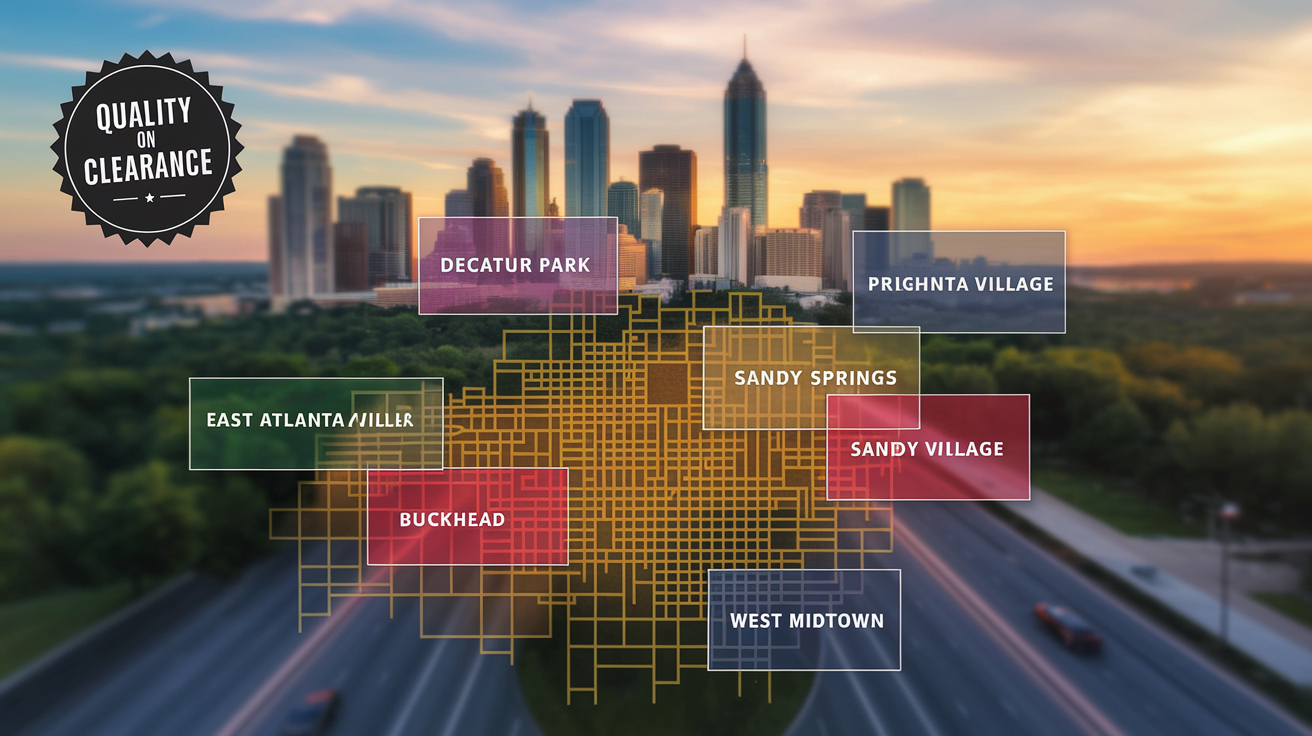
When the market slows, power shifts. You’ll see more price cuts, homes sitting around longer, sellers suddenly open to negotiating things they wouldn’t touch before. In Metro Atlanta, that shift isn’t playing out the same everywhere. Some neighborhoods are stacking up inventory while others stay pretty tight. The move here is to zero in on areas where the bones are good (schools people actually want, places you can walk to stuff, solid roads and infrastructure, proven track record of going up in value) but where you can now push back a little. It’s like finding quality on clearance.
Neighborhoods with strong fundamentals still pull buyers in, but now those buyers can slow down, compare options, really dig into inspections, ask for help with costs. Decatur keeps drawing families because you can walk most places and crime stays low. Sandy Springs and Buckhead both score 5 out of 5 for schools, so demand hangs in there even when things cool off. Inman Park sits around $724,000 median, but recent prices dropped, meaning you’ve got room to negotiate in a neighborhood people have wanted for years. These aren’t falling apart. They’re just catching their breath.
On the cheaper end, South Fulton, Stone Mountain, Ellenwood, and Douglasville all hit 5 out of 5 for affordability and they’re seeing more action from buyers who got priced out closer in. You get parks, decent schools, manageable commutes without paying the downtown premium. If you’re trying to stretch your dollar and build equity, these areas give you options and breathing room.
Six neighborhoods worth your attention right now:
- Decatur – You can walk everywhere, crime’s low, demand stays steady even when the market’s soft
- Inman Park – Prices just dropped, so you can negotiate in a spot that’s been hot forever
- East Atlanta Village – Right by the BeltLine, average price around $450,000, solid value for entry-level buyers
- Sandy Springs – Suburban calm, top schools, bigger homes, families looking to stay put for a while
- South Fulton – Cheapest buy-in near the airport with above-average schools in Fulton County
- West Midtown – New builds, investor buzz, industrial look driving appreciation
Understanding Market Signals When Comparing the Best Atlanta Neighborhoods for Buyers

A slowing market doesn’t mean everything’s slowing the same way. You’ve got to watch inventory numbers, price per square foot, how long homes sit, demand patterns that shift by neighborhood. If a place used to have 15 listings and now has 45, that’s your edge. If median prices dropped 5% but days on market didn’t budge, that’s telling you something different than both falling together. You need to know which numbers matter for the specific area you’re eyeing. Watch how fast similar homes move and whether sellers are cutting prices or throwing in credits.
Price per square foot and school ratings protect value over time. Neighborhoods with strong schools (Sandy Springs, Buckhead) hold up better when things slow because families put education first. Walkability also keeps demand from tanking. Decatur’s crime rate sits below state and national averages, and that safety paired with easy access to shops and food keeps people interested. Stone Mountain stays competitive on affordability because prices hang below the metro average, so you’re not taking on as much risk jumping in. When you’re comparing neighborhoods, lean on these basics to separate a temporary dip from real problems.
| Neighborhood | Median Price | Inventory Trend | Buyer Advantage |
|---|---|---|---|
| Inman Park | $724,000 | Rising with recent price decreases | Negotiation room in a neighborhood everyone wants |
| Decatur | $555,000 | Stable, slight uptick | Low crime, walkable streets keep demand going |
| Stone Mountain | Below metro average | Growing as people hunt affordability | 5/5 affordability, giant 3,200-acre park access |
| Sandy Springs | $800,000 | Steady, schools drive it | Top schools and suburban stability hold things steady |
Best Atlanta Neighborhood Profiles Offering Strong Buyer Opportunities

East Atlanta Village
East Atlanta Village (people call it EAV) gives you a decent entry point around $450,000 average. You get walkable streets, an arts scene, live music spots, and you’re close to the BeltLine, which keeps pushing value up over time. Good fit for first-timers, younger professionals, creative types who want city living with some neighborhood vibe. In a slower market, this price range means you can push for inspection fixes or closing help without blowing your budget.
Virginia-Highland
Virginia-Highland, or VaHi, averages $750,000 and pulls in families and professionals hunting for that historic charm mixed with modern stuff. Tree-covered streets, boutique shops, solid schools make it one of the most wanted intown spots. Walkability hits 5 out of 5, and you’re near Piedmont Park and the BeltLine for outdoor access. When the market cools, homes here might stick around a bit longer, giving you time to really check things out and push on terms.
West Midtown
West Midtown sits around $600,000 and draws investors and people chasing appreciation. Industrial-chic look, high-end condos, new construction, close to downtown. Mix of lifestyle appeal and investment angle. Restaurants and galleries keep it interesting. If you want a neighborhood where new projects and revitalization are still driving prices up, West Midtown’s worth tracking. A slower market might mean developers sweeten deals or sellers in older units cut prices to stay competitive.
Old Fourth Ward
Old Fourth Ward (O4W) averages $500,000 and got a huge boost from infrastructure spending. The BeltLine and Ponce City Market anchor everything, and you’ll see a mix of old historic stuff and new townhomes. Young professionals and buyers wanting urban energy with strong resale potential end up here. Revitalization’s still happening, but a cooler market gives you room to negotiate on newer builds or renovated places that were probably overpriced a few months back.
Sandy Springs
Sandy Springs averages $800,000 and offers suburban quiet with great schools, parks, bigger homes. Just outside the city with easy highway access, so it works for families and professionals who want calm but need to commute into Atlanta. Schools score 5 out of 5, and that quality protects home values even when things soften. If you’re buying for the long haul, family situation, this neighborhood holds value and lets you negotiate inspection stuff or seller credits.
Buckhead
Buckhead gets called the Beverly Hills of the South, and with a 2 out of 5 affordability rating, it’s pricey. You get Lenox Square, Phipps Plaza, upscale dining, schools rated 5 out of 5. Buyers here want luxury, stability, appreciation over time. In a slowing market, Buckhead doesn’t crash like other places, but inventory might tick up a little, giving you more to compare and maybe a shot at negotiating on properties that sat longer than sellers expected.
Stone Mountain
Stone Mountain sits about 20 minutes east of downtown and scores 5 out of 5 for affordability. Median prices stay under the metro average, and Stone Mountain Park (3,200 acres of trails, recreation, green space) adds lifestyle appeal. If you’re hunting affordability without giving up amenities, this neighborhood works. Commute matters here, so test your drive at rush hour before committing. But if you’re flexible on location and want maximum bang for your buck, Stone Mountain’s a smart play in a slower market.
Buyer Strategy: How to Navigate Offers in the Best Atlanta Neighborhoods During a Slowing Market

A slowing market means sellers bend more, and you’ve got time to think through your offer. Price cuts show up more, and concessions like seller-paid closing costs, home warranties, repair credits become normal. Inman Park’s recent price drops tell you buyers can ask for more without worrying about a bidding war. The trick is using contingencies smart. Don’t skip your inspection or appraisal because you think things are still hot. In a slower cycle, those protections matter more, not less, because sellers are way less likely to walk from a reasonable offer.
Neighborhoods like Old Fourth Ward and Inman Park that shot up fast are adjusting now. That adjustment creates openings. You can offer under asking, request fixes after inspection, ask the seller to cover part of closing. When inventory climbs, your leverage climbs too. The goal is negotiating without dropping your standards. A slower market lets you be choosy about condition, location, price, so use that time to compare multiple properties and make a call based on real information.
Six offer tactics built for Atlanta buyers right now:
- Go slightly under asking, especially if it’s been listed over 30 days
- Ask for a home warranty or seller-paid closing costs upfront in your offer
- Keep a solid inspection contingency and negotiate repairs based on what you find
- Add an appraisal contingency so you’re covered if the home doesn’t hit your offer price
- Check days on market across similar properties to read seller motivation before you submit
- Show your pre-approval to prove you’re legit, then negotiate calmly without rushing into bidding wars
Transit, Schools, and Walkability: Key Factors Shaping the Best Atlanta Neighborhoods for Buyers

Walkability ties straight to price stability, especially in places like Decatur and Virginia-Highland. When you can walk to coffee, food, groceries, parks, demand holds even when the broader market cools. A 5 out of 5 walkability rating means you’re not stuck in your car for daily stuff, and that lifestyle appeal protects home values long term. Buyers want convenience, and neighborhoods that deliver through infrastructure (sidewalks, bike lanes, mixed-use spots) tend to hold value better than car-only suburbs.
School ratings drive demand in Sandy Springs and Buckhead, both at 5 out of 5 for schools. Families stretch budgets to land in top school zones, and that demand puts a floor under prices. Even in a slower market, homes in strong school areas move faster and closer to asking. If you’re buying long term and plan on kids or just want solid resale potential, school quality is one of the most reliable signs of future value.
Being near big parks or the BeltLine adds outdoor value and protects against downturns. Stone Mountain’s 3,200-acre park is a huge draw for families and people who like being outside. Neighborhoods along the BeltLine (East Atlanta Village, Inman Park, Old Fourth Ward) get trails, green space, community events that keep the vibe alive. When the market slows, these perks become deciding factors for buyers weighing similar price points.
| Neighborhood | Walkability Rating | School Quality | Park Access |
|---|---|---|---|
| Decatur | 5/5 | Above average | Multiple city parks, trails close by |
| Sandy Springs | 3/5 | 5/5 | Chattahoochee River, parks everywhere |
| Stone Mountain | 2/5 | Above average | 3,200-acre Stone Mountain Park |
Suburban vs. Intown: Choosing the Best Atlanta Neighborhood for Your Lifestyle in a Slowing Market
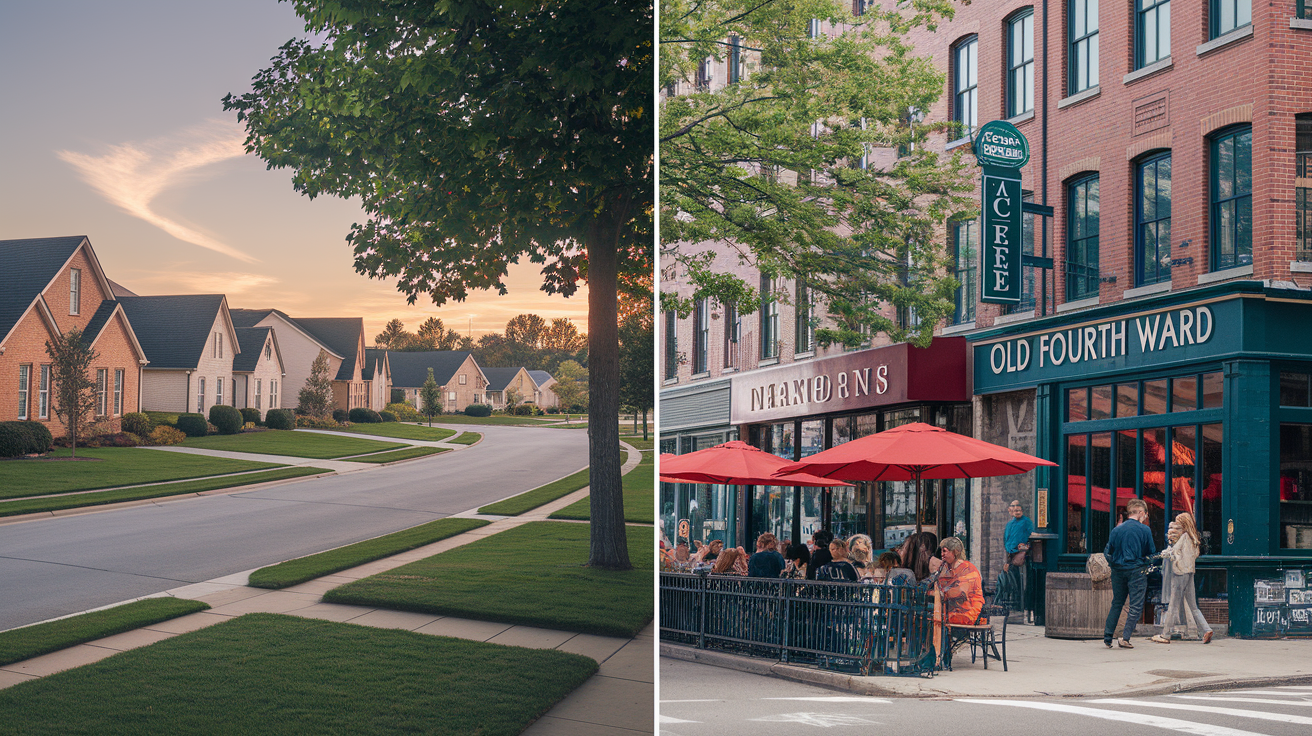
Commute, job access, density, pricing. Those are the big splits between suburban and intown neighborhoods. Sandy Springs gives you suburban calm near I-285 and GA-400, so you can hit downtown in 25 to 35 minutes outside rush hour. Decatur sits way closer and offers walkability, MARTA access, denser urban feel. Stone Mountain and Douglasville are cheaper suburban picks with longer commutes but way lower prices. Your call depends on how much you care about space and quiet versus walkability and being near city stuff.
Some suburban markets hold better during slowdowns because family demand stays steady. School quality, bigger lots, lower crime make places like Sandy Springs and parts of South Fulton attractive even when inventory piles up. Intown neighborhoods like Old Fourth Ward and Virginia-Highland might bounce around more, but they also snap back faster when the market heats up again. If you’re planning to stay 7 to 10 years, either works. If you need flexibility or might relocate, intown resale tends to move quicker.
Four buyer types and the neighborhoods that fit:
- Young professional working downtown – Old Fourth Ward or Virginia-Highland for walkability, nightlife, BeltLine access
- Family focused on top schools – Sandy Springs or Buckhead for 5/5 school ratings and suburban stability
- First-timer stretching affordability – South Fulton, Stone Mountain, or Douglasville for 5/5 affordability and entry pricing
- Investor hunting appreciation – West Midtown or East Atlanta Village for new construction, revitalization, growth over time
Final Words
We jumped right into what matters: where buyer leverage is growing, which neighborhoods show price movement and rising inventory, and how to use that leverage in offers.
You saw value-focused picks, market signals to track (inventory, days on market, price-per-sf), neighborhood profiles, negotiation steps, and how transit, schools, and suburb vs. intown tradeoffs shape choices.
Keep this checklist handy as you shop. With patience and local know-how you can find the best atlanta neighborhoods for buyers in a slowing market — better deals are out there.
FAQ
Q: What is the no go area in Atlanta?
A: The “no go” area in Atlanta isn’t a single neighborhood; higher-crime spots lie in parts of Southwest and West Atlanta. Check current crime maps, visit at commute times, and ask neighbors before deciding.
Q: Is it a buyers or sellers market in Atlanta, Georgia?
A: Atlanta is shifting toward a buyers’ market in many neighborhoods as prices cool, inventory rises, and days on market lengthen; some hot pockets still favor sellers, so review neighborhood-level data for your target area.
Q: Why is 2026 a significant year for Atlanta?
A: 2026 is significant for Atlanta because a slowing housing market, price adjustments, and ongoing local development give buyers more leverage—watch new projects, neighborhood inventory, and commute patterns to spot value shifts.
Q: What is the nicest suburb outside of Atlanta?
A: The nicest suburb depends on your priorities; Sandy Springs often ranks top for schools and highway access, while Decatur stands out for walkability and charm—choose based on schools, commute, and home style.