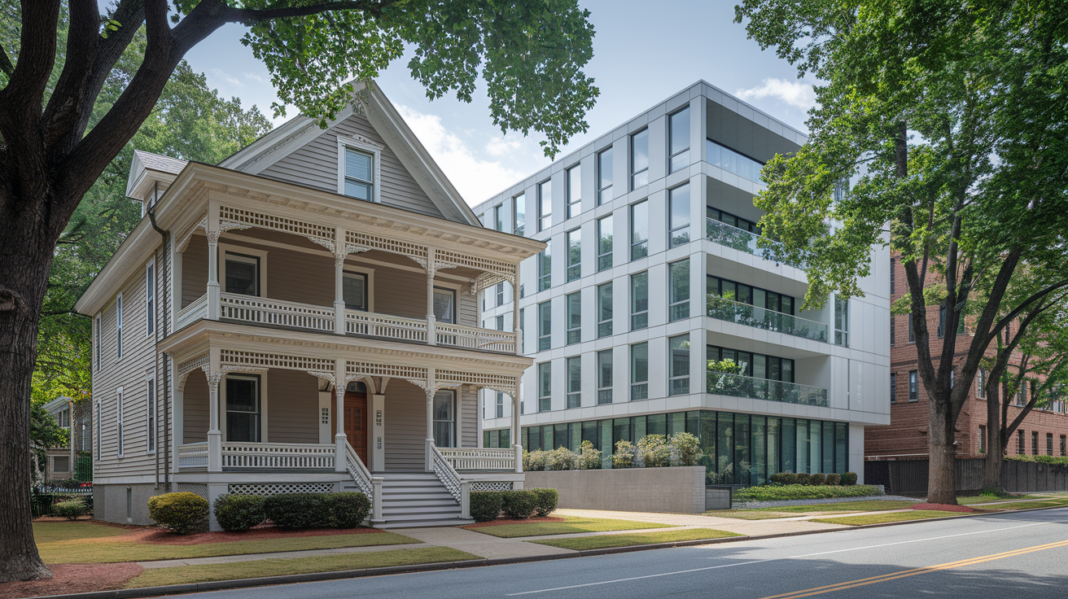

Think the BeltLine makes Old Fourth Ward the best place to renovate? Not necessarily.
O4W trades on walkability and newer builds, so median prices and price-per-square-foot tend to be higher.
Grant Park’s historic Victorians often cost less per foot and give you real scope to boost value with kitchens, baths, and systems work.
Short version: choose O4W for walkable lifestyle and faster resale at a higher price point; choose Grant Park for bigger renovation ROI if you can handle permits, older systems, and longer timelines.
Neighborhood Price and Renovation Potential Overview

Old Fourth Ward and Grant Park play by different rules when it comes to pricing and what you can actually do with a property. O4W sits right on the BeltLine, and that proximity shows up in the numbers. Median sale prices hover around $456,550, with price per square foot regularly pushing past $400. Grant Park’s historic vibe and Victorian homes put median prices in the mid-$300,000s to low-$400,000s, and you’re looking at $300 to $375 per square foot most of the time.
The gap makes sense. O4W’s getting modern loft conversions and new townhomes that people pay a premium for. Grant Park’s bigger single-family homes on established lots cost less per square foot, but you get more space. And more space usually means more room to add value through renovations.
Five-year appreciation tells two different stories. Old Fourth Ward saw aggressive gains tied to BeltLine development and trail access, often beating Grant Park in percentage terms during peak years. Grant Park’s appreciation? Steady. Historic-district protections limit teardowns and keep the neighborhood character intact, which slows things down but also smooths out the swings.
Here’s where renovation potential gets interesting. Grant Park usually delivers better ROI because older homes let you do meaningful work. Kitchen and bath updates, structural repairs, systems modernization. Done right, those improvements can boost resale value by 10 to 20 percent or more. Old Fourth Ward’s newer stock doesn’t leave much room for the fix-and-flip playbook. Most properties are already turnkey or close to it, so the spread between what you pay and what you can sell for after renovations is narrower.
| Neighborhood | Median Price (2026) | Price per Sq Ft | 5‑Year Appreciation Rate | Typical Renovation ROI |
|---|---|---|---|---|
| Old Fourth Ward | ~$456,550 | $400–$475 | Higher (BeltLine effect) | Lower (newer stock, less upside) |
| Grant Park | ~$360,000–$420,000 | $300–$375 | Steady (historic stability) | Higher (older homes, value‑add scope) |
Buyers wanting move-in ready and walkable urban amenities lean toward O4W. Investors hunting renovation upside and larger floor plans head to Grant Park. Both neighborhoods have strong fundamentals, but renovation potential and pricing discipline shift quite a bit depending on property type, condition, and which block you’re on.
Renovation Cost Differences Between the Two Neighborhoods

Grant Park renovations come with historic-preservation rules, and those rules add time and cost. If your project touches exterior façades, rooflines, or original architectural details, you’re going through the city’s historic-preservation office. That can stretch permit approval by several weeks and force you into specific materials or construction methods. It protects the neighborhood character, sure, but it can bump contractor labor and material costs up by 10 to 25 percent compared to areas without those restrictions.
Old Fourth Ward projects don’t face the same regulatory friction for modern additions and interior remodels. You get faster permit turnaround and more flexibility with materials. But O4W properties, especially loft conversions and newer townhomes, sometimes need specialized HVAC, soundproofing, or building-envelope work that carries its own cost premium.
Average renovation costs in both neighborhoods run $150 to $350 per square foot depending on what you’re doing, but how that breaks down is different. Grant Park’s older housing stock often needs foundation repairs, electrical panel upgrades, and plumbing replacements before you even get to the cosmetic stuff. That pushes baseline costs higher. Old Fourth Ward’s newer construction cuts down on major structural surprises, so more of your budget goes toward finishes, appliances, and design instead of replacing old systems.
Grant Park homes tend to be larger, often 1,800 to 2,500+ square feet. That means total project budgets can climb past $100,000 for a full remodel. O4W townhomes and condos usually sit between 1,200 and 1,800 square feet, so total spending stays lower. But smaller homes also mean smaller absolute resale gains.
What drives costs:
- Historic-district permit review and required materials in Grant Park
- Foundation, electrical, and plumbing system age in older Grant Park homes
- How much structural work you’re doing versus cosmetic updates
- Property size and total square footage
- Modern HVAC, soundproofing, or building-code updates in O4W loft conversions
Architectural Styles and Their Impact on Renovation Potential
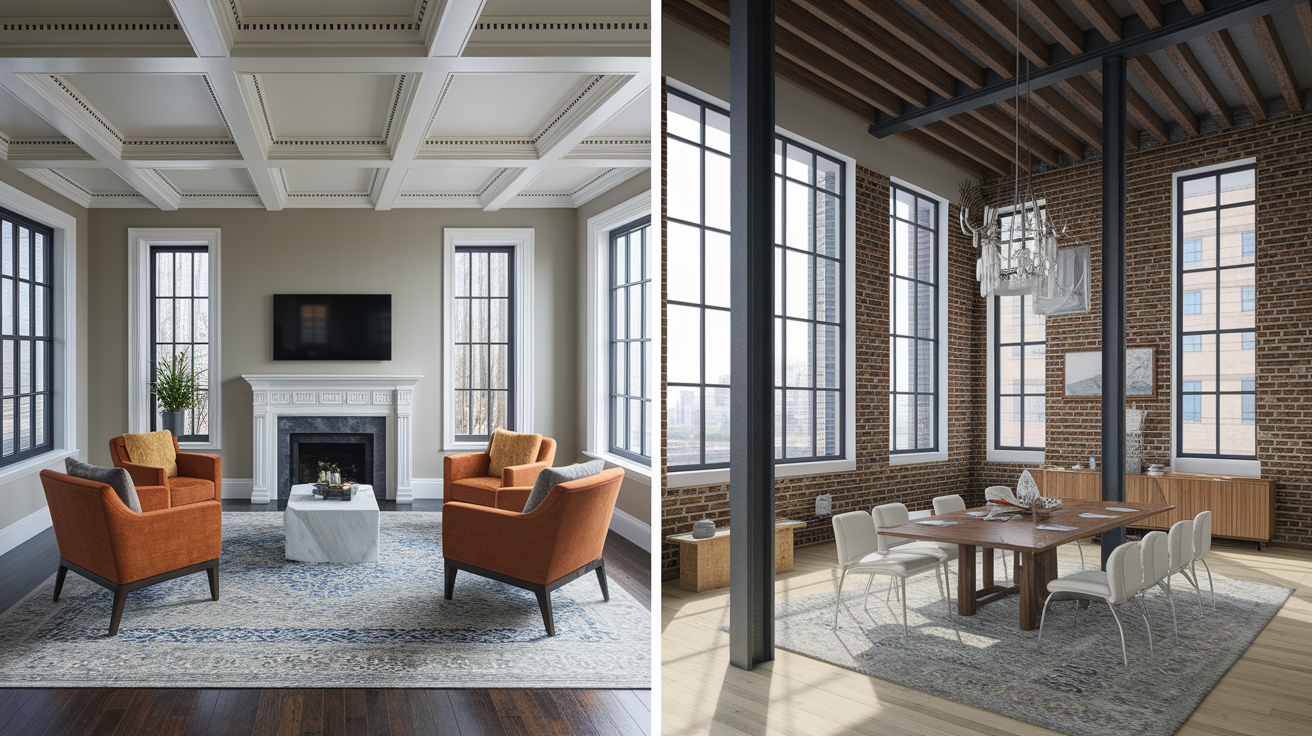
Grant Park’s filled with Victorian, Craftsman, and Queen Anne homes built between 1890 and 1930. High ceilings, original hardwood floors, decorative millwork, big front porches. People love those details, but they also box you in. Removing interior walls, changing rooflines, or swapping out original windows usually means design compromises to keep the architectural integrity and satisfy historic-preservation guidelines. Renovation potential here is about modernizing kitchens and baths, upgrading electrical and HVAC, and restoring period details. Not reconfiguring floor plans or tacking on contemporary extensions.
Old Fourth Ward mixes industrial loft conversions, modern townhomes, and a smaller batch of turn-of-the-century shotgun houses and rowhouses. Loft conversions give you open floor plans, exposed brick, tall ceilings, and flexible layouts that work with modern aesthetics without historic constraints. Contemporary townhomes and new builds let you customize interiors without much permitting friction. You can move kitchens around, add built-ins, reconfigure bathrooms. Renovation complexity in O4W varies block by block. A historic rowhouse near Boulevard might need careful restoration. A 2015 townhome near the Eastside Trail probably just needs cosmetic updates or minor finish upgrades.
Renovation ROI depends on how well your improvements match neighborhood character and what buyers expect. In Grant Park, thoughtful restoration of original details gets you premium resale prices. Refinishing hardwoods, repairing plaster, updating kitchens with period-appropriate cabinetry. That’s what buyers seeking historic charm respond to. In Old Fourth Ward, clean modern finishes, energy-efficient systems, and open-concept layouts match buyer demand and justify higher price per square foot.
But if you mismatch styles, you’re going to pay for it. Ultra-modern interventions in Grant Park or overly traditional finishes in O4W lofts can drag down resale value and stretch your time on market.
Investor Appeal and Long-Term Value Considerations
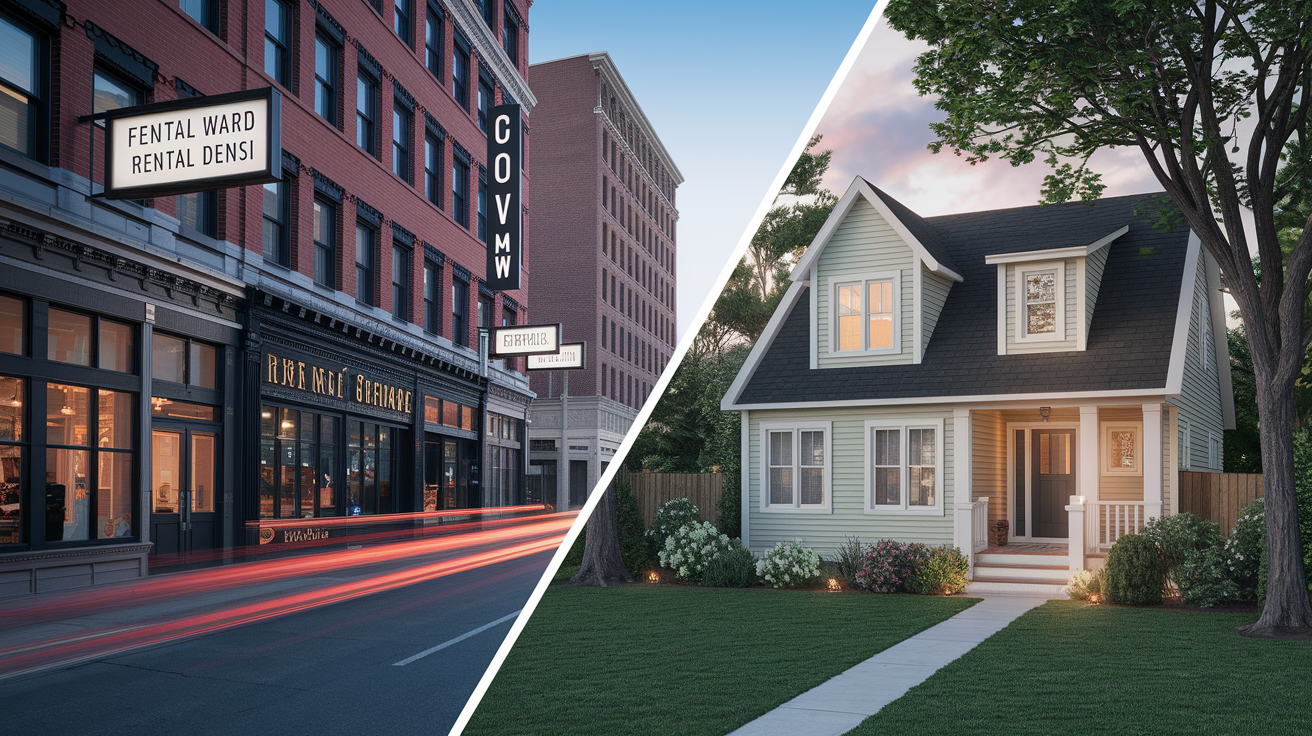
Old Fourth Ward pulls in investors chasing strong rental demand. BeltLine access, walkable retail, proximity to Midtown employment. Short-term rental activity stays active near Ponce City Market and the Eastside Trail, though regulations and HOA restrictions change depending on the building and block. Rental yields benefit from consistent tenant interest, but newer construction and higher purchase prices squeeze cap rates compared to Grant Park. If you’re banking on continued appreciation and lifestyle-driven demand, O4W makes sense. Especially if you’re targeting professionals, young families, and urban renters who’ll pay premiums for convenience and amenities.
Grant Park offers long-term stability. Historic designation, established single-family homes, lower entry prices. Rental demand is steady but not as intense as O4W. You’re drawing families, long-term tenants, and buyers who care more about green space and neighborhood character than nightlife density. Appreciation tends to be slower but more predictable. It’s insulated from the sharp swings tied to development cycles. Investors focused on value-add renovation and patient appreciation favor Grant Park. Larger homes and lower price per square foot create room for improvement and wealth building over multi-year holds.
| Metric | Old Fourth Ward | Grant Park |
|---|---|---|
| Rental Demand | High (BeltLine, urban amenities) | Moderate (families, green space) |
| Appreciation Volatility | Higher (development‑driven) | Lower (historic stability) |
| Typical Hold Period | 3–5 years (flip or short‑term rent) | 5–10 years (long‑term value‑add) |
| Cap Rate / Cash Flow | Lower (high purchase prices) | Moderate (lower entry costs) |
Walkability, Amenities, and Lifestyle Differences
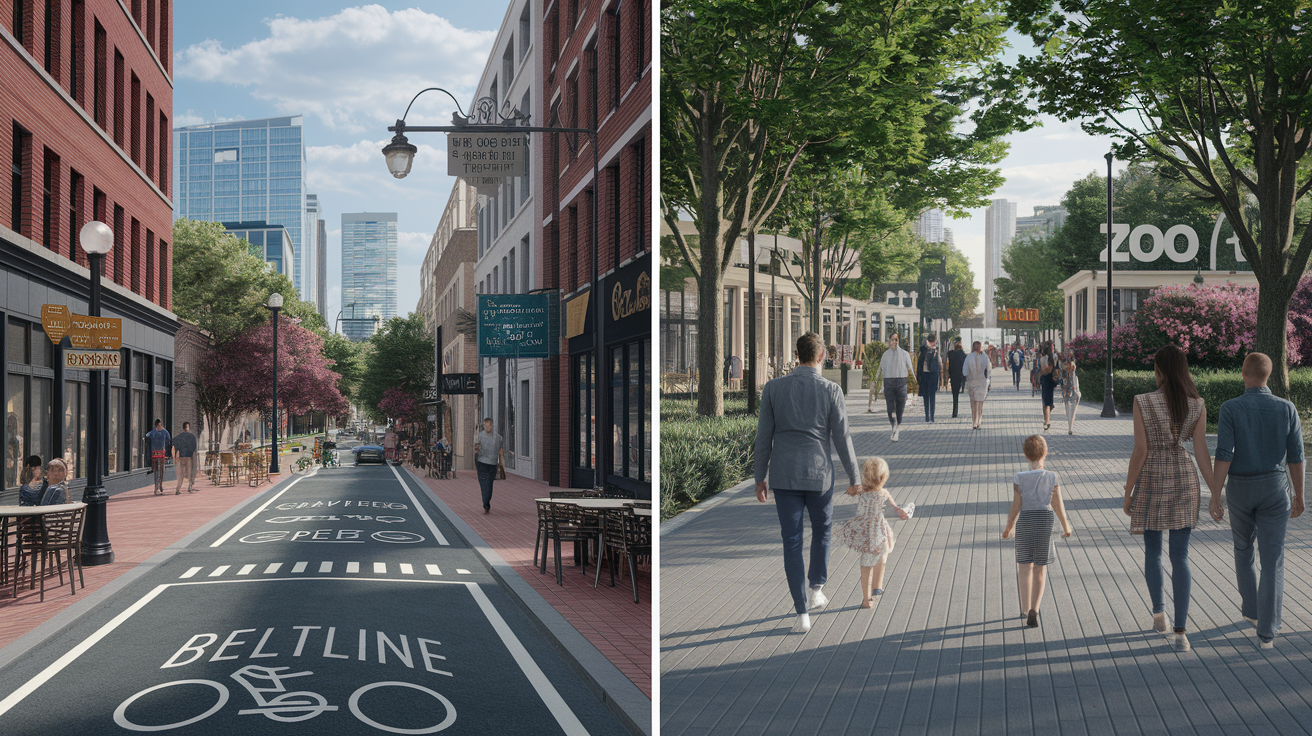
Old Fourth Ward ranks among Atlanta’s most walkable neighborhoods. Walk Score and Bike Score metrics often top 80. Direct BeltLine access connects you to trails, restaurants, breweries, and retail without needing a car. Ponce City Market, Krog Street Market, Historic Fourth Ward Park. Dense urban energy and year-round foot traffic. The neighborhood appeals to buyers who want nightlife, weekend activity, and quick commutes to Midtown or Downtown via transit or bike. But parking can be tight, noise levels run higher, and HOA fees in condo buildings add up.
Grant Park centers around its 131-acre park, Zoo Atlanta, and quieter tree-lined streets that prioritize green space over retail density. Walkability scores are solid but lower than O4W, usually in the 60s to 70s. Most daily errands need a short drive or bike ride. The neighborhood pulls in families, dog owners, and buyers wanting front yards, detached garages, and a slower pace while staying inside the perimeter. Restaurants and shops cluster along Memorial Drive and Cherokee Avenue. Neighborhood-serving businesses without the high-traffic intensity of O4W’s commercial corridors.
Major amenity differences:
- Old Fourth Ward: BeltLine Eastside Trail, Ponce City Market, Historic Fourth Ward Park, dense restaurant/bar scene
- Grant Park: 131-acre park, Zoo Atlanta, slower residential streets, larger private yards
- Old Fourth Ward: higher Walk Score, more transit/bike commuting options
- Grant Park: easier parking, family-oriented green space, quieter weekends
Future Development and Its Influence on Property Values

BeltLine expansion keeps driving Old Fourth Ward development. Ongoing trail extensions, streetscape improvements, mixed-use projects along Boulevard and Parkway Drive. These projects boost walkability, retail density, and amenity access, which reinforces buyer demand and supports price appreciation. New infill townhome and condo projects add inventory. That creates competition for sellers but also signals sustained developer confidence. Transit improvements are possible. MARTA expansion, improved bus rapid transit. Could lift long-term value, though timelines are uncertain and depend on funding cycles.
Grant Park’s development focus is preservation-minded commercial upgrades along Memorial Drive and Cherokee Avenue. New restaurants, retail storefronts, mixed-use buildings. The goal is to strengthen neighborhood walkability without changing the residential character of interior streets. Historic-district protections limit teardowns and large-scale redevelopment. That keeps long-term stability but might cap upside compared to O4W’s more aggressive transformation.
Zoning changes and infrastructure investments shape renovation ROI by changing what buyers value and what projects make financial sense. In Old Fourth Ward, continued BeltLine investment raises the bar for finishes and amenities. Properties without parking, modern systems, or proximity to trails face steeper competition. In Grant Park, infrastructure upgrades that improve walkability to parks and retail can lift values gradually. Patient investors who renovate thoughtfully and hold through appreciation cycles get rewarded.
Both neighborhoods benefit from being inside I-285, but future value paths split based on development intensity, regulatory constraints, and whether buyers want urban living or a more residential feel.
Final Words
You saw the numbers and tradeoffs up front: median prices, price per sq ft, 5‑year gains, and typical renovation ROI for Old Fourth Ward and Grant Park. O4W skews higher near the BeltLine; Grant Park holds steady with historic protections.
We also covered renovation costs, architectural limits, investor demand, walkability, and near‑term development. Details that change budgets and timelines.
Use this Old Fourth Ward vs Grant Park home prices and renovation potential comparison to decide which match fits your budget and renovation appetite. Both neighborhoods offer solid long‑term upside.
FAQ
Q: What is the nicest part of Atlanta to live in?
A: The nicest part of Atlanta to live in depends on your priorities. For walkability and BeltLine access try Old Fourth Ward or Inman Park; for schools and yards try Grant Park or Buckhead.
Q: What is the nickname for the old fourth ward?
A: The nickname for the Old Fourth Ward is “O4W,” a common shorthand locals and real estate professionals use when referring to the neighborhood, especially areas near the BeltLine.
Q: Are house prices going down in Georgia?
A: House prices in Georgia are not uniformly going down. Some markets cooled after rate increases, while high-demand Atlanta neighborhoods often keep rising—check recent local sales, inventory, and a lender for your area.
Q: What are the demographics of the Old Fourth Ward?
A: The demographics of the Old Fourth Ward skew younger and more professional, with growing diversity and rising household incomes as BeltLine-driven development attracts renters, new-construction buyers, and creative/tech workers.