


Did you know a home inspection can make or break an Atlanta sale within a week?
Most buyers schedule inspections right after their offer, and inspectors check roof, foundation, HVAC (heating and cooling), plumbing, electrical, and crawl spaces.
Because of our humid summers and clay soil, reports often flag roof wear, moisture, and foundation movement, and that report becomes the key bargaining chip.
The result: inspections frequently shift negotiating power, add contingency days, or push closing dates.
Sellers who pre-inspect and fix big issues usually keep more control over timeline and price.
How Atlanta Home Inspections Shape the Selling Timeline and Immediate Negotiation Impact

Most Atlanta inspections happen within days of a buyer submitting an offer. The on-site work takes a few hours. You get a report covering roof, foundation, HVAC, plumbing, electrical panels, and visible moisture or pest signs. That report becomes the most influential document during the contract period. It determines whether the buyer stays confident, asks for concessions, or walks away.
Atlanta’s housing stock includes tons of homes built between the 1950s and 1990s. The region’s humid subtropical climate speeds up wear on roofs, HVAC systems, and crawl spaces. Clay soil in areas like Decatur and Marietta causes foundation movement and cracking. When inspectors document these problems, buyers immediately reconsider their offer, delay closing to renegotiate, or extend contingency windows to dig deeper. If a report shows a failing HVAC system or serious moisture intrusion, the balance of power shifts fast.
Inspection contingencies give buyers a contractual window (usually 7 to 14 days) to review findings and decide whether to move forward, request repairs, demand price reductions, or cancel. If the seller rejects repair requests or can’t provide credible bids and receipts, buyers may extend the contingency, order additional specialist inspections, or withdraw entirely. Each delay pushes the closing date and adds uncertainty for both parties.
Initial leverage shifts: A clean report keeps the seller’s position strong. Serious defects hand negotiating power to the buyer.
Timeline delays: Inspections scheduled late in the contingency window or followed by multi-day negotiations can push closing by weeks.
Contingency extensions: Buyers often request additional days to get contractor quotes or perform follow-up inspections on major systems.
Price reconsideration triggers: Reports listing roof repairs, foundation cracks, or electrical hazards typically prompt immediate price reduction requests or credit demands.
Buyer withdrawal risk: Unexpected expensive defects (examples: outdated wiring, basement flooding, termite damage) frequently cause buyers to terminate contracts and forfeit only their earnest money.
Atlanta Home Inspection Findings Sellers Must Expect Before Listing

Atlanta’s long, humid summers and heavy seasonal rainfall create persistent moisture problems. Crawl spaces with poor ventilation accumulate condensation. You get mold, wood rot, and musty odors. Roofs exposed to intense sun and afternoon thunderstorms develop curling shingles, cracked flashing, and small leaks that inspectors routinely flag. Many local homes were built before modern energy codes, so HVAC systems are often undersized, aging, or stressed by constant summer operation.
Clay soil throughout Metro Atlanta expands and contracts with moisture changes. It causes foundation settlement, hairline cracks in basement walls, and uneven floors. Inspectors in Marietta, Decatur, and similar areas consistently note these structural shifts. Older plumbing systems may include galvanized pipes that corrode internally, reducing water pressure and increasing leak risk. Electrical panels in homes from the 1970s and 1980s sometimes show overloaded circuits, outdated breakers, or aluminum wiring that raises safety concerns.
When buyers receive a report listing these defects, they usually demand repairs, credits, or price reductions. A roof replacement can cost $8,000 to $15,000. HVAC replacement runs $5,000 to $10,000. Moisture remediation in a crawl space costs $2,000 to $5,000. Even minor issues (leaky faucets, loose outlets, damaged trim) add up and create a perception that the home wasn’t maintained. The cumulative effect often tilts the negotiation in favor of the buyer unless the seller has already addressed high-impact items.
Roof wear: curling or missing shingles, small leaks near chimneys or valleys, inadequate attic ventilation
Crawl space moisture: standing water, mold growth on floor joists, poor vapor barrier installation
HVAC age and performance: systems older than 15 years, weak airflow, refrigerant leaks, dirty or clogged ductwork
Foundation and drainage: cracks in basement walls, uneven floors, poor grading around the perimeter causing water pooling
Atlanta Pre‑Listing Inspections and Their Benefits for Sellers

A pre-listing inspection reverses the usual sequence. You identify defects before any buyer sees the home. You hire a licensed inspector to review the same major systems and components a buyer’s inspector would check. You receive a detailed report listing every defect and potential concern. That report becomes your roadmap. You decide which repairs to complete, which issues to disclose, and how to price the home with full transparency.
Pre-listing inspections are especially valuable in Atlanta’s competitive market. Buyers who see a recent inspection report and receipts for completed repairs feel more confident submitting strong offers with fewer contingencies. You remove the element of surprise that usually triggers last-minute renegotiations or extended due diligence periods. Many local inspectors offer Same-Day Report Guarantees and can schedule on-site work within a few days, so the process doesn’t significantly delay your listing timeline. If you discover a major issue (examples: roof replacement needed, basement moisture remediation required), you can address it proactively or adjust your asking price with documented justification instead of facing an inflated repair credit request after an offer is accepted.
Justifies your list price: A clean report or documentation of completed repairs supports your asking price and reduces buyer skepticism.
Reduces negotiation leverage for buyers: When defects are already disclosed and priced in, buyers have less room to demand additional concessions.
Speeds up closing: Fewer surprises mean fewer contingency extensions, reinspections, and back-and-forth negotiations.
Attracts serious buyers: Transparency signals that the home was well maintained and that you’re a motivated, honest seller.
Limits liability: Documented disclosures reduce the risk of post-closing disputes or claims that you hid known defects.
You can read more about this strategy in the Ultimate Guide to a Pre-Listing Home Inspection in Atlanta.
Preparing for Your Atlanta Pre‑Listing Inspection
Clear access to all areas the inspector needs to review: attic hatches, crawl space entries, electrical panels, HVAC units, and water heaters. Replace HVAC air filters and wipe down visible ductwork so the inspector sees that basic maintenance was performed. Test all window and door locks, light switches, outlets, faucets, toilets, and the garage door opener (both manual and remote operation, plus the reverse safety sensor). Fix obvious issues like dripping faucets, loose handrails, or burned-out bulbs before the inspector arrives. It signals you care about the home’s condition.
Ensure all utilities (water, gas, electricity) are turned on so the inspector can test appliances and systems.
Remove stored items blocking access to the furnace, water heater, electrical panel, or crawl space door.
Walk the property exterior and clear overgrown shrubs touching the house, check for standing water near the foundation, and note any visible cracks in driveways or walkways.
How Inspection Results Influence Pricing Strategy for Atlanta Sellers

Inspection reports give you data to support your list price or guide strategic adjustments. If the report shows the roof, HVAC, and major systems are in good condition, you can confidently price at the higher end of your market range and point buyers to the documentation. If the inspector identifies a $6,000 HVAC replacement or $3,500 in crawl space moisture fixes, you face a choice: complete the repairs and add the cost into your asking price, reduce your price by a similar amount and sell as-is, or offer a buyer credit at closing and let them manage the work.
| Cost Type | Seller Action | Buyer Perception | Market Impact |
|---|---|---|---|
| High-impact repair (roof, HVAC, foundation) | Complete before listing with receipts | Home is move-in ready; fewer concerns | Justifies higher price; attracts more offers |
| Moderate defect (plumbing leak, electrical panel) | Offer closing credit or repair and document | Transparent; buyer chooses contractor | Maintains asking price; reduces negotiation friction |
| Minor cosmetic/maintenance (faucet, trim, filters) | Fix immediately; low cost, high visibility | Signals ongoing maintenance and care | Minimal price impact; improves buyer confidence |
| Major structural or moisture issue | Reduce price or sell as-is with full disclosure | Buyer factors repair cost into offer | Lowers offers but attracts investors or cash buyers |
Atlanta’s market conditions also matter. In a seller’s market with low inventory, buyers may accept disclosed defects and waive repair requests to secure the home. In a slower market, even minor inspection findings can prompt aggressive negotiation or cause buyers to walk. If you order a pre-listing inspection and address high-visibility items (roof, HVAC, visible leaks), you reduce the buyer’s ability to demand inflated credits and keep the pricing discussion grounded in documented facts.
What Atlanta Sellers Should Know About Legal Disclosures After Inspection
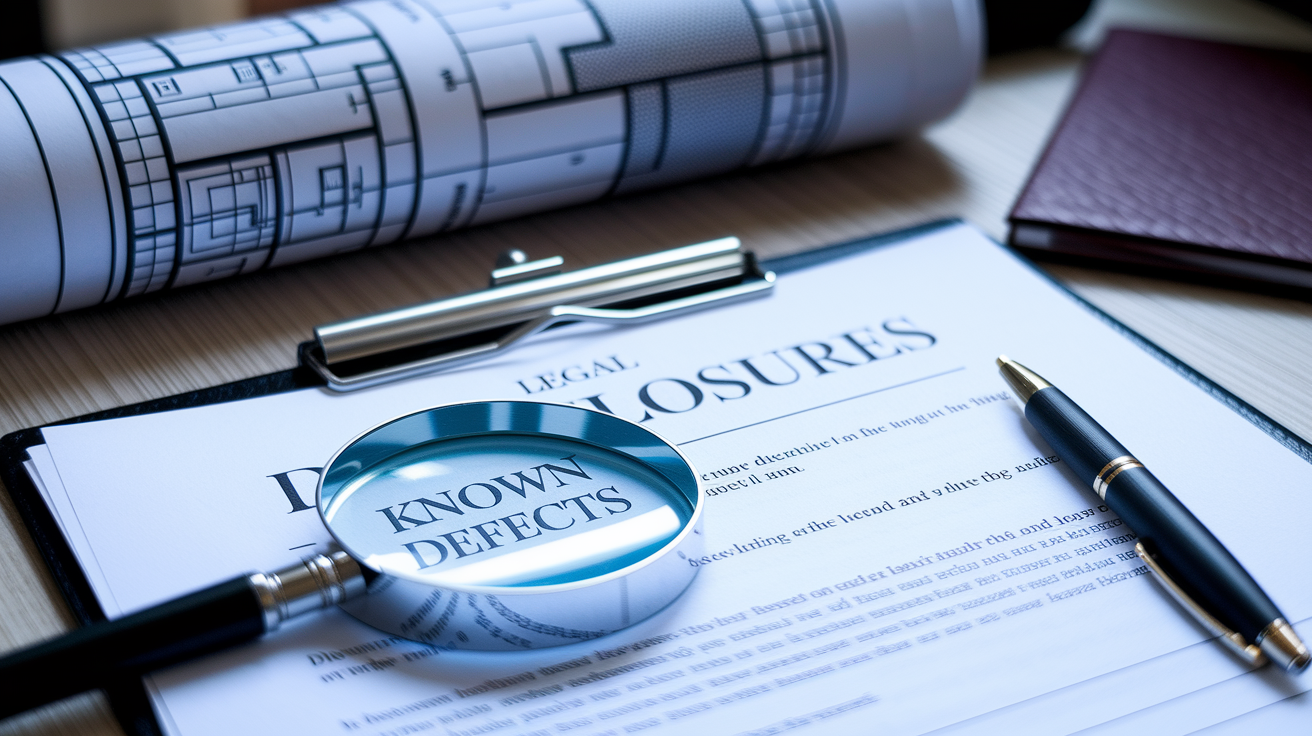
Georgia law requires sellers to disclose known material defects that affect the home’s value or safety. Once you receive an inspection report identifying structural issues, moisture damage, electrical hazards, or pest activity, those defects become “known” and must be reflected in your disclosure statement. You’re not legally required to repair them, but you can’t hide the information from prospective buyers.
If the inspection reveals foundation cracks, a leaking roof, mold in the crawl space, or an overloaded electrical panel, you must include those findings in your disclosure even if you choose to sell as-is. Failing to disclose known defects can lead to post-closing lawsuits, rescission demands, or liability for repair costs. The disclosure protects you by documenting exactly what you knew and when, and it allows buyers to make informed decisions.
Structural defects: foundation cracks, settling, compromised framing, or load-bearing wall damage
Moisture and pest issues: active leaks, mold growth, wood rot, termite damage, or past infestations
Major system failures: HVAC units that don’t heat or cool properly, plumbing leaks, outdated or unsafe electrical wiring
Georgia doesn’t mandate a specific timeline for delivering disclosures after an inspection, but most listing contracts require disclosure before or at the time of offer acceptance. Work with your agent or attorney to confirm local requirements and ensure your disclosure statement is complete and accurate.
Selecting a Licensed Atlanta Home Inspector and Understanding Fees

Choose an inspector with current licensing, membership in a recognized association (examples: ASHI, InterNACHI), and experience inspecting homes similar to yours in age and construction type. Ask how long they’ve worked in Metro Atlanta. Local knowledge of clay soil, crawl space moisture, and regional HVAC stress patterns matters. Request sample reports to confirm they provide clear descriptions, photos of defects, and prioritized repair recommendations rather than vague summaries.
Many Atlanta-area inspectors offer Same-Day Report Guarantees, meaning you receive the written report within hours of the on-site visit. Some also provide Same/Next-Day Inspection scheduling, which keeps your timeline tight if you need to list quickly. Service areas typically include Atlanta, Roswell, Marietta, Alpharetta, Sandy Springs, Buford, Newnan, and Woodstock. Verify that the inspector carries errors and omissions insurance and offers a clear service guarantee (example: a 200% Guarantee if findings are missed and later disputed). Exact fees weren’t detailed in available information, but typical Atlanta pre-listing inspections range from $300 to $600 depending on home size, age, and additional services like radon or termite checks. Confirm pricing when you schedule.
How many years have you been inspecting homes in Metro Atlanta?
Are you licensed and insured, and which professional associations do you belong to?
Can you provide a sample report so I can see the level of detail and photo documentation?
What’s your turnaround time for delivering the written report, and do you offer same-day or next-day service guarantees?
How Atlanta Inspection Outcomes Affect Buyer Negotiations

When buyers receive an inspection report listing roof wear, a failing HVAC system, plumbing leaks, or foundation concerns, they typically respond with a formal repair request or a demand for a price reduction or closing credit. The negotiation centers on who pays for the fix and how much the defect actually costs. Buyers often inflate repair estimates or request credits for items that are cosmetic or deferred maintenance rather than safety hazards. Your response depends on the severity of the issue, current market conditions, and how much leverage you retained by disclosing known defects upfront.
Prioritize safety and structural repairs: If the inspector flags electrical hazards, active roof leaks, foundation movement, or HVAC failures, address those items or offer a documented credit. Buyers rarely waive serious defects.
Provide contractor bids and receipts: If you completed repairs before listing, attach invoices and warranties to your counteroffer. If you’re offering a credit, get at least two contractor quotes to justify the amount.
Separate high-impact from cosmetic requests: Agree to fix or credit major system failures, but push back on demands for new paint, landscaping, or minor cosmetic wear. Those are buyer preferences, not defects.
Offer a flat credit instead of completing repairs: Buyers often prefer to choose their own contractor and schedule work after closing, so a closing credit can resolve negotiations faster than coordinating repairs during escrow.
Set a ceiling on total concessions: Decide in advance the maximum dollar amount you’ll contribute toward repairs or credits, then hold that line. If the buyer’s demands exceed your limit, be prepared to decline and move to the next offer.
Use pre-listing transparency to limit inflated requests: When you disclose defects upfront with documentation and pricing justification, buyers have less room to claim surprise or demand excessive credits.
Rejecting all repair requests can cause buyers to walk, especially if the inspection revealed significant issues. Over-conceding signals desperation and invites additional demands during final walk-throughs or appraisal negotiations. The goal is to resolve legitimate defects while maintaining enough firmness that the buyer understands the deal terms are final once agreed.
Managing Reinspections, Timelines, and Closing After Inspection

If you agree to complete repairs, the buyer’s contract usually includes a reinspection contingency allowing their inspector to return and verify the work was done correctly. Reinspections are typically shorter (one to two hours) and focus only on the items listed in the repair agreement. The inspector confirms that the HVAC unit is operating, the roof leak was patched, the plumbing drip was fixed, or the electrical panel was upgraded. If the reinspection passes, the buyer releases the contingency and the transaction moves toward closing.
Timelines depend on contractor availability and the complexity of the repairs. Simple fixes (faucet replacement, outlet repair, filter changes) can be completed within a few days. Major work (roof replacement, HVAC installation, moisture remediation) may take two to four weeks, which often pushes the closing date. Buyers may request contingency extensions if repairs run longer than expected or if the initial inspection revealed issues requiring specialist follow-up (examples: structural engineer assessment, mold testing, pest treatment verification). Final walk-throughs occur 24 to 48 hours before closing and focus on confirming the home’s condition hasn’t changed since the inspection. Buyers are checking that agreed repairs were completed and that no new damage occurred.
| Stage | Purpose | Timeline |
|---|---|---|
| Initial inspection | Identify all defects and systems issues; deliver report to buyer | Scheduled within 7 days of contract; completed in a few hours; report delivered same or next day |
| Repair completion and reinspection | Verify seller completed agreed repairs; confirm systems are functional | Repairs take 3 days to 4 weeks; reinspection scheduled after work is done; takes 1–2 hours |
| Final walk-through | Confirm home condition unchanged; verify no new damage or missing items | Occurs 24–48 hours before closing; takes 30 minutes to 1 hour |
Final Words
After the inspector hands over the report, the sale timeline often shifts fast. Scheduling, report delivery, and inspection contingencies set the first negotiation beat — and pre-listing checks can reduce those surprises.
Atlanta’s older homes and humid climate mean buyers watch for roofs, moisture, and HVAC problems. Those findings shape price moves, repair asks, or contingency extensions.
Knowing how atlanta home inspections impact selling process helps you plan repairs, set a realistic timeline, and keep buyer confidence steady. You’ll be ready to move forward with less stress.
FAQ
Q: How many home sales fall through due to inspection?
A: The number of home sales that fall through due to inspection is roughly 5–10% nationally; in Atlanta it can be a bit higher because moisture, aging roofs, and older systems increase buyer walk-aways.
Q: What is the biggest red flag in a home inspection?
A: The biggest red flag in a home inspection is structural or major water damage (foundation cracks, significant rot, or widespread leaks). In Atlanta, clay soil and humidity make foundation and moisture problems especially serious.
Q: What is the hardest month to sell a house?
A: The hardest month to sell a house is usually December, followed by January, because buyer activity dips during holidays and winter; in Atlanta expect slower showings and longer days on market then.
Q: Do sellers usually fix everything on home inspections?
A: Sellers usually don’t fix everything found on inspections; they typically address safety or major structural items, offer credits, or provide contractor bids — choices depend on market conditions and repair cost.