


Think selling your Atlanta home only costs a small transaction fee? Think again.
Most sellers pay about 6–10% of the sale price at closing, and many land near 7%.
The biggest chunk is agent commission (usually 5–6%), with title insurance, prorated taxes (your share up to closing), attorney fees, HOA charges and any buyer credits making up the other 1–3%.
This post breaks down those costs with real dollar examples and county notes (Fulton, DeKalb, Cobb, Gwinnett) so you can budget realistically and avoid surprises.
Full Breakdown of Seller Closing Costs in Atlanta for Immediate Budgeting

Atlanta sellers usually end up paying somewhere between 6–10% of their home’s sale price when everything’s tallied at closing. Most transactions land around 7%. The big one? Real estate commission. That’s typically 5–6% right there. Everything else (title insurance, attorney fees, recording charges, prorated taxes, HOA stuff, and any credits you agreed to give the buyer) adds another 1–3% on top.
So if you’re selling a $400,000 home, you’re looking at total closing costs between $21,600 and $31,100. That’s roughly 5.4–7.8% of what you sold for. A $300,000 sale? Expect $17,400 to $24,000 (about 5.8–8.0%). Selling for $500,000 means you’re probably spending $26,800 to $38,500 (5.4–7.7%). Those ranges shift based on what you negotiated for commission, which county you’re in (Fulton, DeKalb, Cobb, Gwinnett), when you close (because property tax prorations change by month), whether there’s an HOA involved, and if you agreed to cover repairs or give the buyer credits.
The exact number changes every time. But planning for 7% of your sale price gets you pretty close for most single-family closings in Metro Atlanta without nasty surprises.
Here’s what hits hardest, ranked by size:
- Real estate commission (5–6% of sale price, and it’s the biggest chunk by a mile)
- Mortgage payoff balance (depends on how much you still owe plus interest through closing)
- Owner’s title insurance premium (usually 0.2–0.6% of sale price)
- Prorated property taxes and HOA dues (shifts based on closing month and billing cycle)
- Settlement or closing attorney fee (typically $300–$1,500)
- Seller concessions or credits (0–3% if you negotiated to help the buyer cover their costs)
Major Cost Components in Atlanta Seller Closing Costs

Real estate commission is what you pay the listing agent (and the buyer’s agent if you offered that through your listing terms). In Metro Atlanta, most sellers pay 5–6% of the sale price. On a $400,000 home, that’s $20,000 to $24,000. Commission isn’t set in stone. You negotiate it in your listing agreement with your agent. Some sellers get lower rates when the market’s hot and properties move fast. Others work with flat-fee or limited-service brokers to cut commission costs.
Owner’s title insurance protects the buyer if something ugly shows up on the title later (old liens, ownership disputes, recording mistakes). In Georgia, sellers customarily pay for the owner’s policy. That said, it’s negotiable. The premium usually runs 0.2–0.6% of the sale price. For a $300,000 sale, that’s around $1,200. Exact cost comes from state-filed rate schedules. Ask your closing attorney or title company for a quote so you know the real number for your sale price.
The settlement or closing attorney fee covers prep work on the deed, coordinating the closing, running the title search, issuing the title commitment, recording documents with the county, paying off your mortgage, and sending you what’s left. Atlanta closings are almost always attorney-led. Fees typically fall between $300 and $1,500, depending on the attorney, how complicated the deal is, and which county you’re in. Some attorneys bundle everything (title search, closing coordination, courier fees) into one flat settlement fee. Others itemize each piece separately.
Prorated property taxes and HOA dues get adjusted at closing so you only pay for the days you actually owned the home. Georgia property taxes are usually billed in arrears (you pay this year’s bill for last year’s taxes), so how much you owe depends on when you close and where the county is in its tax calendar. Close mid-year with a $4,000 annual tax bill? You’ll owe roughly $2,000 prorated. HOA dues work the same way, prorated to the day of closing. Many HOAs also charge estoppel or transfer fees ($100–$450) to prepare paperwork for the buyer.
Here’s what these core expenses actually mean:
Commission: Percentage of sale price paid to real estate agents (yours and the buyer’s).
Owner’s title insurance: One-time premium protecting the buyer from title problems. Sellers customarily pay this in Georgia.
Mortgage payoff: What you still owe on your loan plus interest that’s piled up through the payoff date.
Settlement fee: What the attorney or title company charges for closing coordination and document prep.
Recording fees: County charges to record the deed and release your mortgage lien.
Prorated taxes: Your share of property taxes up to closing date.
HOA fees and estoppel: Prorated dues and any transfer documentation fees the HOA requires.
County-Specific Closing Costs Across Metro Atlanta
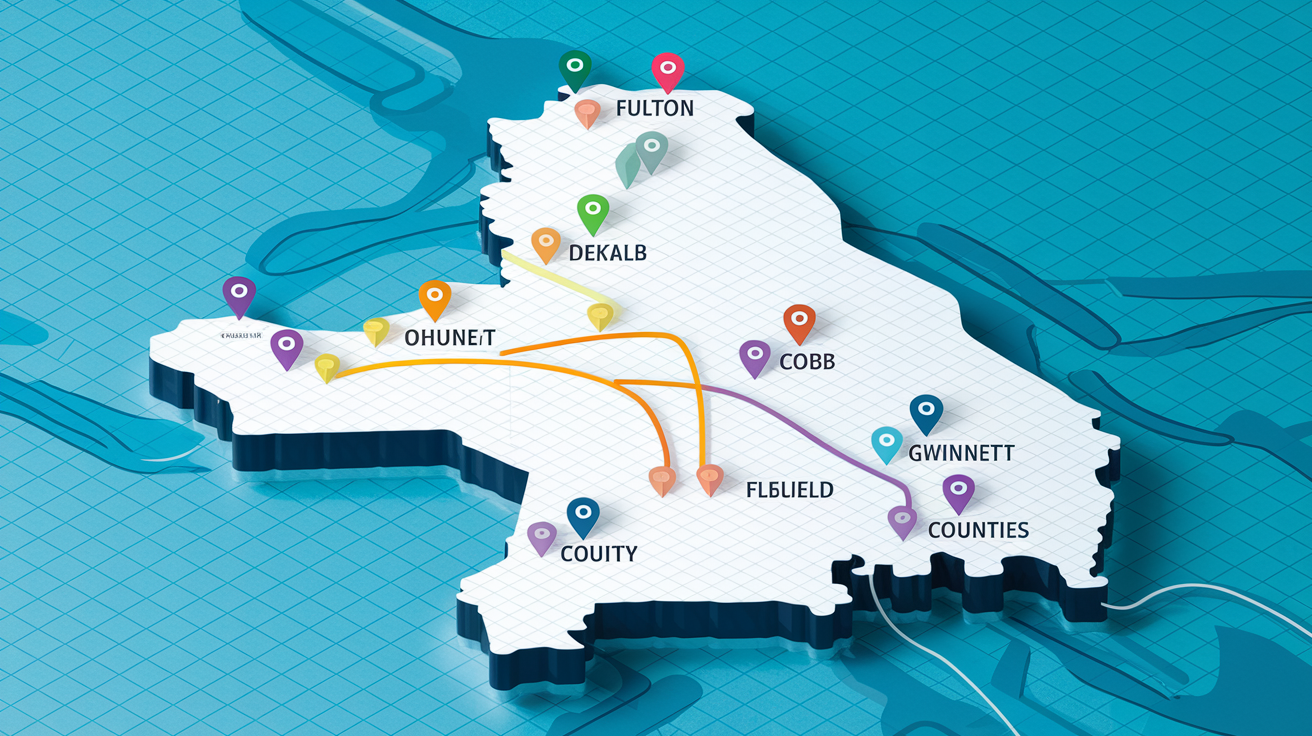
Recording fees aren’t the same everywhere. Fulton County, DeKalb County, Cobb County, and Gwinnett County all have their own fee schedules. Most counties charge somewhere between $25 and $300 total to record the deed and release your mortgage lien. Longer deeds or extra liens bump the cost up a little. Deed recording usually happens within 24–72 hours after closing. The final title policy gets issued once the deed’s on record.
Property tax proration works basically the same way across Metro Atlanta counties, but the dollar amount changes based on the county tax rate and when you close. Fulton County property taxes tend to run higher per thousand dollars of assessed value than some of the outlying counties. So if you close mid-year in Fulton, you’re often looking at a bigger prorated tax credit going to the buyer. You pay your share up to the closing date. Buyers take over from the day they own the place.
HOA and condo fees also vary by neighborhood and county. Intown Atlanta condos in Fulton or DeKalb often have higher transfer or estoppel fees than single-family HOA communities in Cobb or Gwinnett. Ask your HOA management company for the total transfer fee early. Some HOAs charge a flat fee. Others pile on document prep charges or resale certificate fees that can push the total closer to $400–$450 in busy condo buildings.
Estimated Seller Closing Costs at Different Atlanta Home Prices

Real dollar examples help you plan your budget and set realistic expectations for what you’ll actually walk away with. The table below shows typical seller closing cost ranges for three common Atlanta sale prices, including commission, title premium, closing fees, recording charges, and prorations.
| Sale Price | Typical Seller Cost Range | Percent of Price |
|---|---|---|
| $300,000 | $17,400 – $24,000 | 5.8% – 8.0% |
| $400,000 | $21,600 – $31,100 | 5.4% – 7.8% |
| $500,000 | $26,800 – $38,500 | 5.4% – 7.7% |
Use these as a starting point, then adjust for your situation. Negotiated a 5% commission instead of 6%? Your costs drop toward the lower end. Agreed to pay $8,000 in seller concessions to help the buyer cover their closing costs? Add that amount. No HOA and you’re closing in January right after property taxes are paid? Your prorations will be tiny. Closing in November before the tax bill comes due? You’re crediting the buyer for a much larger chunk. Always ask for an Estimated Closing Statement (sometimes called a seller net sheet) from your closing attorney as soon as the contract is signed. That way you see exact line-item costs for your sale.
Negotiable Fees in Atlanta Seller Closing Costs
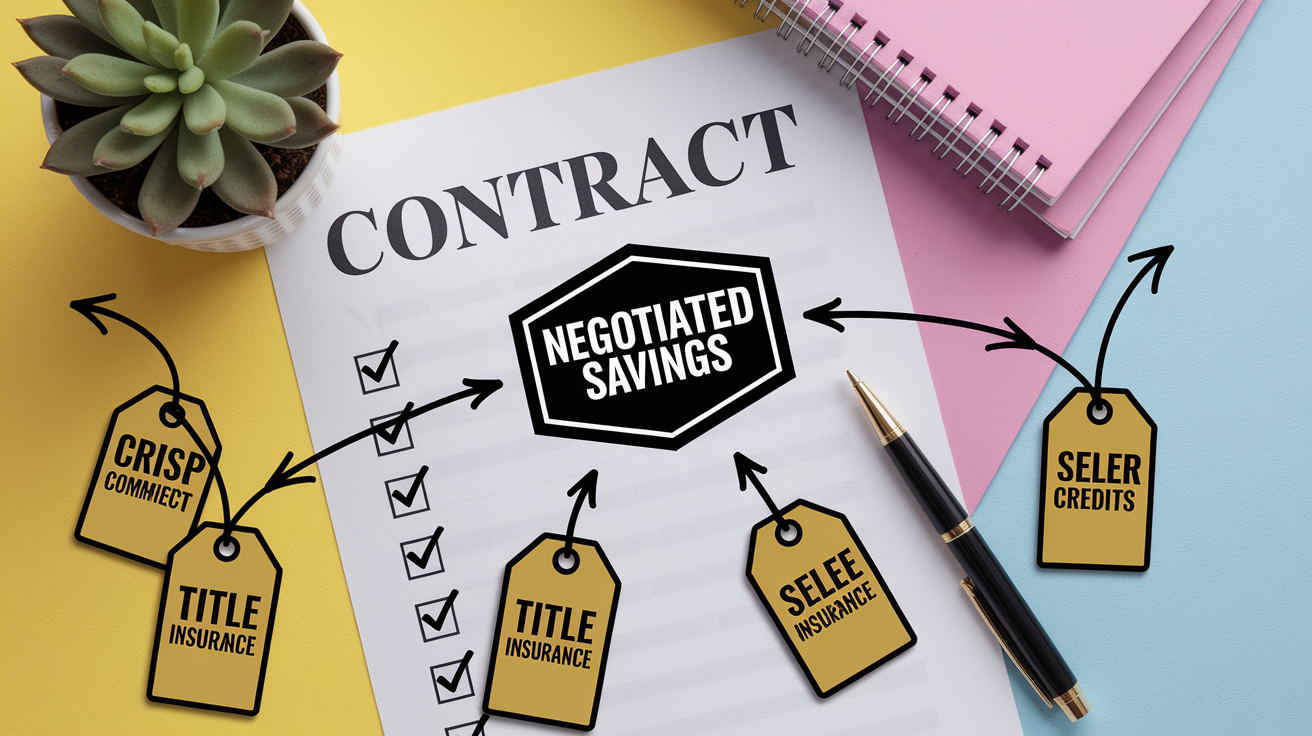
Several seller closing costs can be negotiated and adjusted through the terms of the sales contract. Owner’s title insurance is customarily paid by the seller in Georgia, but there’s no law that says you have to. Some buyers agree to pay their own owner’s policy in exchange for a lower purchase price or other contract terms. Commission rate gets set in the listing agreement and you can negotiate before you sign. Sellers in hot markets or with really desirable properties sometimes negotiate lower total commission percentages or limited-service arrangements that cut marketing costs.
Seller concessions (also called seller credits) let you contribute toward the buyer’s closing costs or prepaid expenses. Typical seller concessions run 0–3% of the sale price, though the buyer’s loan program sets caps on how much you can actually give. FHA loans commonly allow seller concessions up to 6% of the lesser of the sale price or appraised value. VA loans often cite a 4% cap (check current rules with the buyer’s lender). Conventional loan caps vary by the buyer’s down payment. Lower down payments usually mean lower allowed seller concessions. Put all negotiated concessions in writing in the purchase contract and double-check the amounts on the Closing Disclosure.
Here’s what you can usually negotiate:
- Who pays the owner’s title insurance premium (seller customary, but not required)
- Listing commission rate and total commission split
- Seller credits or concessions toward buyer closing costs (subject to loan program caps)
- Repairs vs. credits (offering a dollar credit instead of actually fixing things)
- Who pays settlement or attorney fees (seller, buyer, or split per contract)
Strategies to Reduce Seller Closing Costs in Atlanta
Shopping around for title and settlement providers can lower your closing and title costs. Different closing attorneys and title companies charge different fees for the exact same services. Get quotes from two or three providers and compare their settlement fees, title search charges, and any extra administrative or courier fees. Some attorneys offer flat-rate closing packages that bundle everything. Others itemize each charge. Picking the cheaper provider can save you a few hundred bucks without changing service quality.
Negotiating commission is where you can save the most. A one-percentage-point drop in commission on a $400,000 sale saves you $4,000. Consider negotiating a lower total commission rate if the market favors sellers, or look into flat-fee or limited-service brokerages that charge a set amount instead of a percentage. Just be careful about tradeoffs. Lower commission usually means less marketing exposure, fewer showings, or less hands-on agent support. Weigh the savings against the potential hit to your sale price and how long it takes to sell.
Timing your closing date can cut your prorated property tax amount. If your county tax bill is due in October and you close in early October right after paying it, you owe almost nothing in prorated taxes to the buyer. Close in September before the bill’s paid? You’re crediting the buyer for nearly a full year. You can’t always control closing timing, but when you can, coordinate with your buyer to pick a date that keeps your proration low.
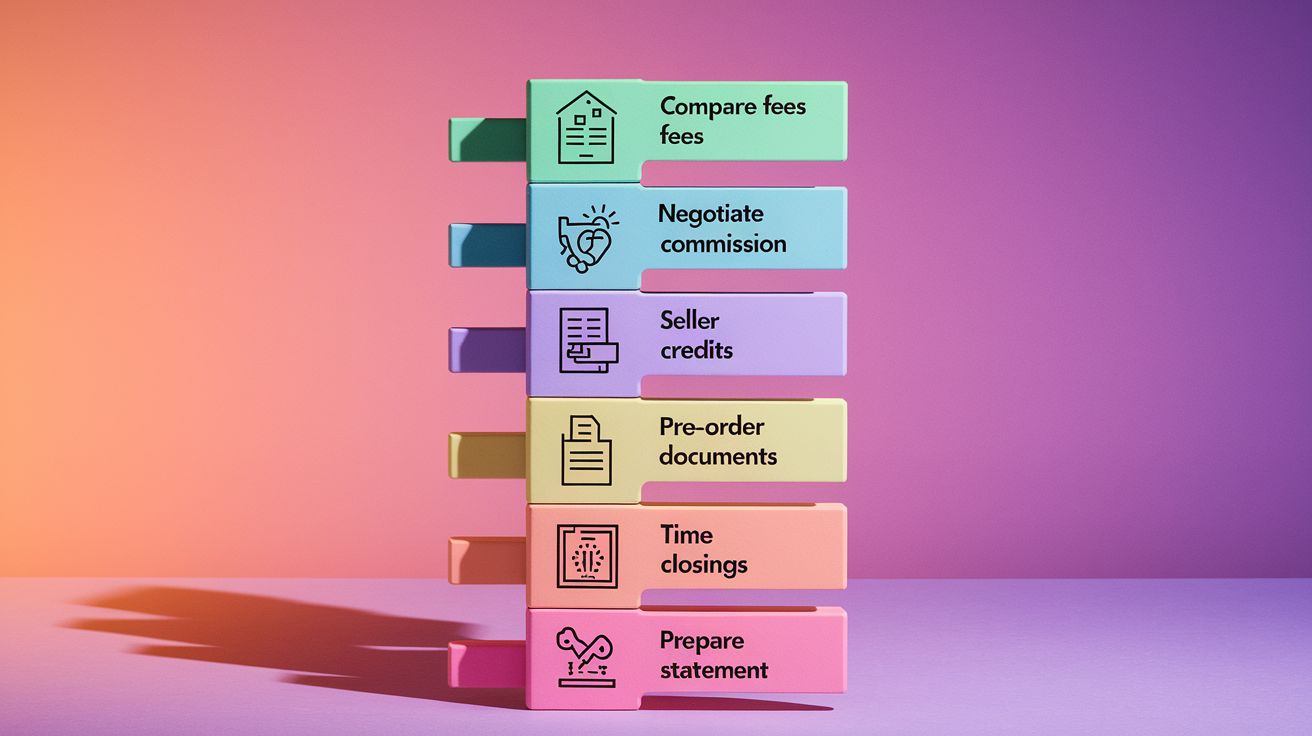
Six steps to reduce closing costs:
- Compare settlement and title fees from at least two closing attorneys or title companies before choosing one.
- Negotiate listing commission rate in your listing agreement or look at alternative brokerage models (flat-fee, limited-service).
- Offer the buyer a dollar credit instead of completing requested repairs. Credits sometimes cost less and close faster.
- Request mortgage payoff statements and HOA estoppel certificates early to dodge rush fees or overnight charges.
- Time your closing date to reduce prorated property taxes when you can.
- Ask your closing attorney to prepare an Estimated Closing Statement early so you can review and question any weird charges before closing day.
Seller Net Proceeds and How to Calculate Them in Atlanta

Seller net proceeds are the actual dollars you take home after all closing costs, payoffs, and credits get subtracted from the sale price. The formula is simple: sale price minus real estate commission minus mortgage payoff(s) minus owner’s title policy minus closing attorney fees minus prorated taxes and HOA dues minus seller credits or repairs equals net proceeds. Start with your expected sale price. Subtract the big stuff first (commission and mortgage payoff). Then subtract the smaller line items (title premium, settlement fee, recording charges, prorations, concessions). What’s left is your estimated net.
Ask for a draft settlement statement (also called a seller net sheet or estimated HUD) from your closing attorney as soon as your contract is signed. The draft shows every anticipated charge and credit, line by line, so you can see exactly how much cash you’re getting at closing. TRID rules require the buyer to get a Closing Disclosure at least three business days before closing. Sellers usually get their final settlement statement around the same time. Review your draft early so you can catch errors, unexpected fees, or prorations that look too high.
Six things that affect your final net proceeds:
Real estate commission: Calculated as a percentage of sale price. Agreed to in your listing contract.
Mortgage payoff balance: What you still owe on the loan plus interest that’s accumulated to the payoff date.
Owner’s title insurance premium: One-time cost based on sale price and state rate schedule.
Closing attorney and settlement fees: Covers title search, document prep, recording coordination.
Prorated property taxes and HOA dues: You pay up to closing date. Amount depends on tax cycle and closing month.
Seller concessions, credits, or repairs: Negotiated amounts paid to or on behalf of the buyer at closing.
Final Words
You now have the fast, numbers‑first picture: Atlanta sellers typically see about 6–10% of the sale price go to closing costs, with clear examples for $300K, $400K, and $500K sales.
We also covered the biggest fee buckets, county variations, negotiable items, cost‑saving moves, and the simple net‑proceeds formula you can use to estimate your take‑home.
Run the examples, talk to your agent and lender, and you’ll be in a good position to manage seller closing costs atlanta georgia and leave closing day feeling confident.
FAQ
Q: Does the seller pay closing costs in GA?
A: The seller usually pays many closing costs in Georgia, commonly covering the real estate commission and often the owner’s title policy; Atlanta sellers typically see total seller costs around 6%–10% of the sale price.
Q: How much are closing costs on a $400,000 house? How much are closing costs on $300,000? How much are closing costs in Atlanta, GA?
A: Typical seller closing costs in Atlanta run about 5.4%–8% of the sale price. For examples: $300,000 ≈ $17,400–$24,000; $400,000 ≈ $21,600–$31,100.