
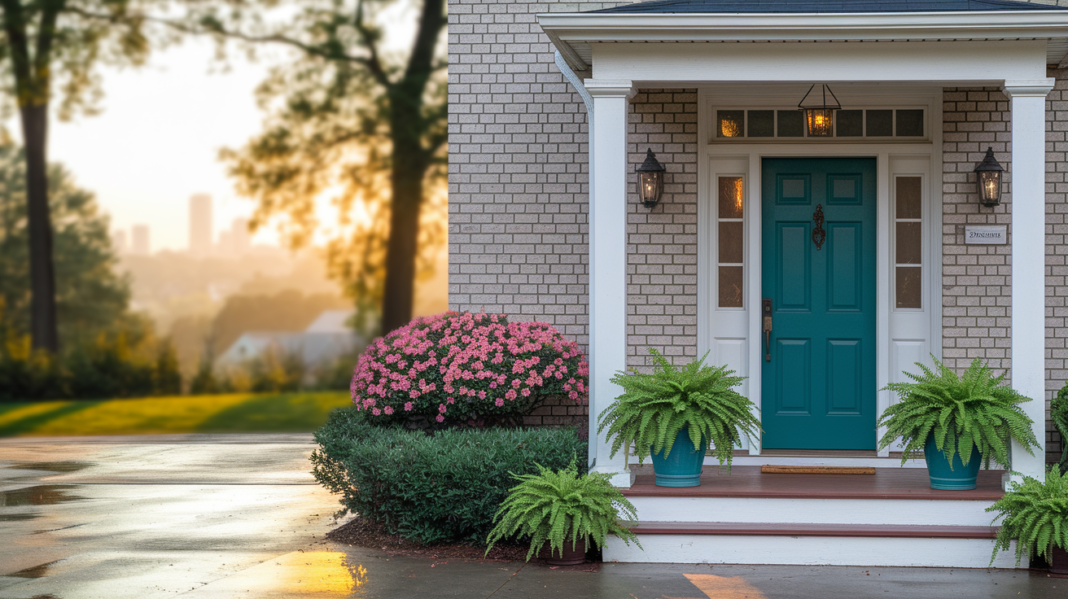

Think a big renovation will sell your Atlanta house? Think again.
Buyers usually decide within seconds from listing photos or a quick walk-through.
This room-by-room staging checklist gives fast, budget-friendly steps you can finish in 48 to 72 hours to improve photos, curb appeal, and offers.
It focuses on Atlanta realities—I-285 commute patterns, humid summers that show HVAC issues, and the curb appeal that gets drivers to stop.
Use these quick wins to make your home feel like the one buyers want.
Quick-Start 48–72 Hour Atlanta Home Staging Checklist
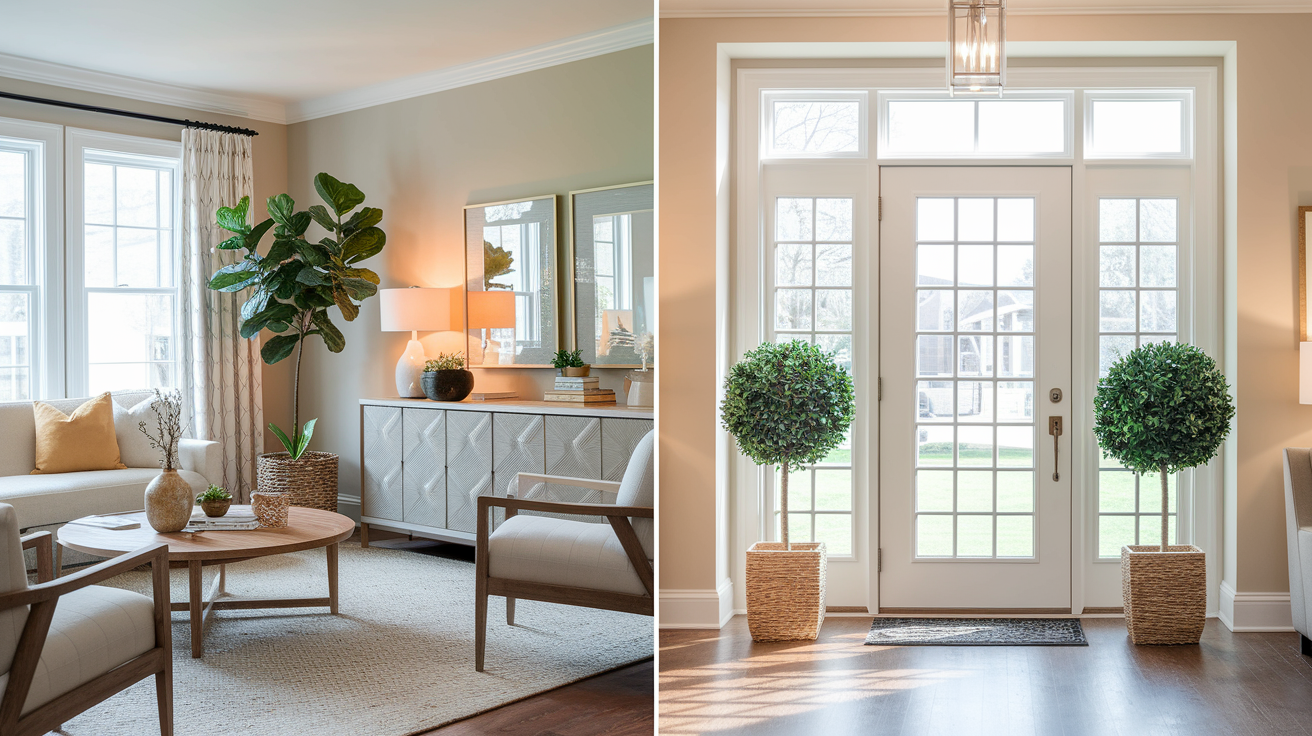
When you decide to list your Atlanta home, these first 48 to 72 hours matter. Buyers form their strongest impression within seconds of walking through your door or scrolling through listing photos online. Before you dive into painting or furniture shopping, knock out these rapid wins that deliver immediate visual impact for modest cost and effort.
-
Deep clean the entire house. One or two professional cleaning sessions typically run $150 to $350 and cover baseboards, windows, light fixtures, and floors.
-
Set a neutral indoor temperature. Dial the thermostat to 68–72°F for every showing and replace your HVAC filter (cost $10 to $50).
-
Clear off every kitchen and bathroom counter. Leave only two or three styled items per surface. Pack the rest into storage boxes.
-
Remove 90% of family photos and personal mementos. Buyers need to picture their own life in your space, not yours.
-
Power wash the driveway, walkway, and front porch. Typical cost is $75 to $250 and instantly brightens curb appeal.
-
Add three to five colorful seasonal plants near your front entry or in porch planters. Budget $50 to $300.
-
Refresh or paint your front door. A quick DIY job runs $50 to $200. Hiring a pro may cost $200 to $600.
-
Replace burned out bulbs with warm LED bulbs. Look for 2,700 to 3,000 Kelvin color temperature and 800 to 1,600 lumens per fixture.
Decluttering and Depersonalizing for Atlanta Home Staging
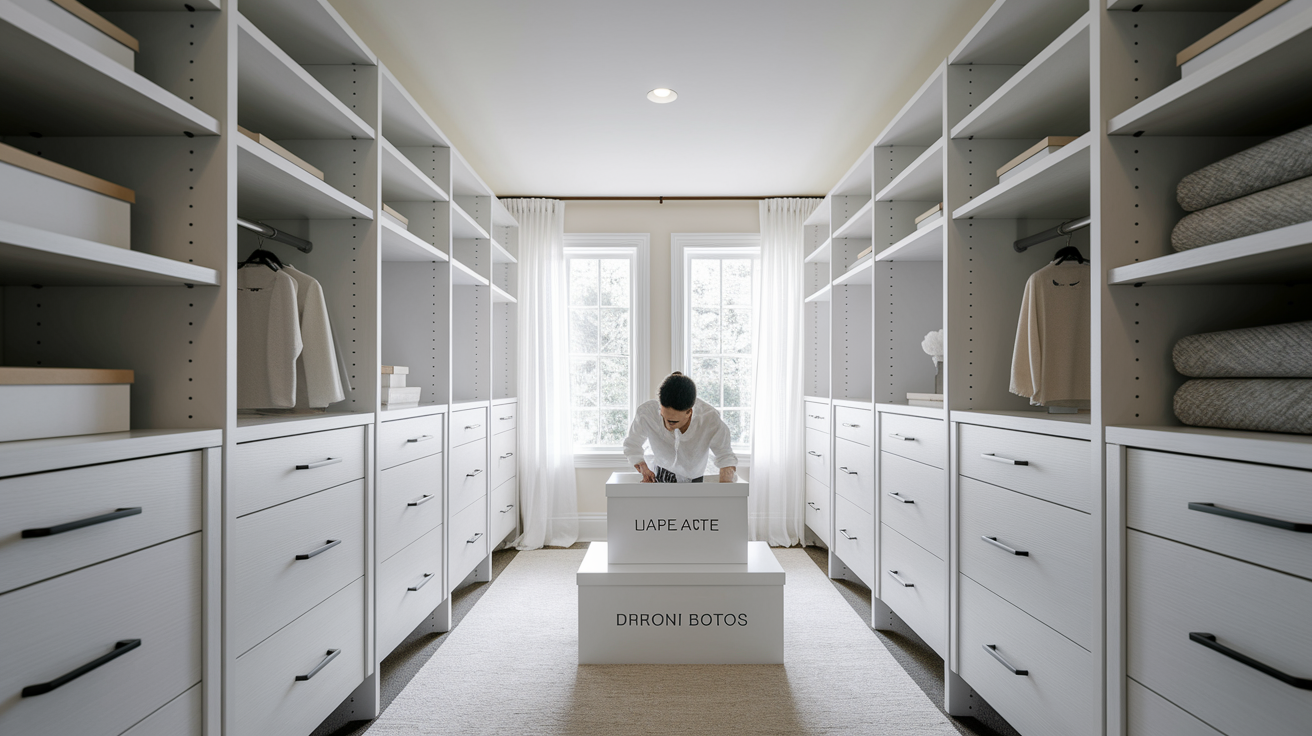
Atlanta buyers walk into your home looking for space, light, and a blank canvas they can imagine as their own. When closets overflow and every shelf holds a collection of personal treasures, even a generous floor plan feels cramped. Your goal is to edit ruthlessly so rooms feel larger and buyers stay focused on the home itself, not your stuff.
Start by packing away 50 to 70 percent of your knickknacks, then reduce closet contents to just 20 to 30 percent of total capacity. Yes, that sounds extreme. But buyers open every closet door and instantly judge whether the home offers enough storage. If they see tightly packed shelves and double hung rods sagging under weight, they assume the house lacks space even when square footage is generous.
Next, remove 80 to 95 percent of family photos, diplomas, team jerseys, and personal collections. Store them in a climate controlled unit or stack labeled boxes in your garage. Neutralize odors by deep cleaning carpets and upholstery, washing pet bedding weekly, and running an air purifier before every showing. Cooking smells from last night’s dinner or lingering pet odors can derail a showing faster than peeling paint.
Key decluttering tasks to complete this week:
- Box up and store collections, awards, sports memorabilia, and decorative items from open shelves.
- Remove magnets, children’s artwork, and calendars from the refrigerator door.
- Thin out coat closets, linen closets, and pantry shelves so every space looks half full or less.
- Replace bold or overly themed décor with two or three neutral accent pieces per room.
- Donate or sell furniture that blocks natural walkways or makes rooms feel crowded.
Atlanta buyers particularly value bright, open layouts because so many homes in metro Atlanta were built during periods when smaller, segmented rooms were the norm. When you clear excess furniture and personal items, natural light travels farther into the space and sight lines open up. Even a 1,200 square foot bungalow can feel airy and modern. That perception shift is what moves buyers from “maybe” to “let’s write an offer.”
Essential Repairs and Maintenance Before Listing Your Atlanta Home

Small repair issues feel minor when you live with them every day. But buyers read every drip, squeak, and scuff as a red flag about overall home maintenance. Fixing the top five to ten problems before you list costs far less than the price reduction buyers will demand once they spot deferred maintenance during their walk through. Focus on quick, visible repairs that signal you’ve cared for the home properly.
Tackle leaky faucets and running toilets first because water waste suggests bigger plumbing problems. A simple washer replacement or fill valve swap typically costs $75 to $200 and takes an hour. Tighten or replace loose cabinet hinges and drawer pulls next. Hardware runs $6 to $12 per knob or pull and the job requires only a screwdriver.
Re caulk bathtub and shower seams if you see cracking or mildew. Materials cost $50 to $200 and the work is straightforward. Replace any cracked floor tiles, touch up scuffed paint on baseboards and door frames (paint supplies run $20 to $200), and lubricate squeaky door hinges with a few drops of oil. Change burned out light bulbs to warm LED bulbs in the 2,700 to 3,000 Kelvin range, and schedule a professional HVAC tune up for $75 to $150 if your system hasn’t been serviced in the past year.
| Repair Item | Typical Cost | Impact on Buyers |
|---|---|---|
| Leaky faucet or running toilet | $75–$200 | Shows proper plumbing maintenance; prevents buyer concern about hidden water damage |
| Loose cabinet hardware or squeaky hinges | $0–$50 | Signals attention to detail; avoids distraction during kitchen and bath tours |
| Cracked tile grout or caulk | $50–$200 | Eliminates mold concerns; improves bathroom and kitchen visual cleanliness |
| HVAC tune up and filter replacement | $75–$150 service + $10–$50 filter | Critical in Atlanta’s humid climate; reassures buyers system is ready for summer |
Atlanta’s hot, humid summers and occasional freeze events in winter put extra stress on HVAC systems, plumbing, and exterior surfaces. Buyers here expect proof that air conditioning works flawlessly and that you’ve managed humidity and condensation properly. Address visible mold, water stains, or HVAC issues immediately because local buyers know these problems can get worse fast. They’ll either walk away or submit a low offer to cover anticipated repair costs.
Boosting Curb Appeal for Atlanta Buyers

Your home’s exterior delivers the first impression. And in Atlanta’s competitive spring and early fall listing seasons, curb appeal often determines whether buyers schedule a showing at all. Most buyers drive by or review listing photos online before they ever contact their agent, so your front yard, driveway, and entry need to look sharp and welcoming from the street.
Start with a freshly mowed and edged lawn, then add a layer of mulch or pine straw two to three inches deep in all planting beds. Typical cost is $50 to $300 depending on bed size. Plant three to five colorful seasonal flowers near your front entry or in large porch planters to add pops of color that photograph well.
Power wash your driveway, walkway, front porch, and siding to remove Georgia red clay stains, pollen buildup, and mildew. Expect to pay $75 to $250 for a professional crew or rent a machine and DIY for about $50 plus your time. Trim hedges and shrubs so they sit six to twelve inches below window sills, which brings in more natural light and creates clean, defined lines outside.
Paint or refresh your front door if it looks faded or worn. A DIY job costs $50 to $200 while hiring a painter runs $200 to $600. Finally, polish or replace your house numbers and porch light fixtures if they look dated or damaged.
Six curb appeal tasks to complete before listing photos:
- Mow, edge, fertilize, and remove all weeds from lawn and beds.
- Mulch planting beds to uniform depth and add three to five seasonal color plants.
- Power wash driveway, walkway, porch, and any visible siding or brick.
- Trim hedges, remove dead plants, and prune tree branches away from roof and gutters.
- Paint or clean front door, replace hardware if needed, and add a new welcome mat.
- Clean or replace mailbox, house numbers, and outdoor light fixtures.
Room by Room Staging Tips for Atlanta Homes

Once your home is clean, decluttered, and repaired, the next step is to arrange furniture and décor so each room shows its best function and feels inviting. Buyers move through homes quickly during showings and open houses, so every space needs an obvious purpose and an easy traffic flow.
Living Room Staging Essentials
Your living room or family room should feel open and conversational, not like a furniture showroom. Arrange seating to create a natural conversation zone, then remove any extra chairs, bulky end tables, or oversized entertainment centers that block walkways. Aim for three to four feet of clear walking space between furniture pieces so buyers can move freely without turning sideways. Use neutral throw pillows and one or two simple accessories like a coffee table book or small plant to add warmth without clutter.
- Remove bulky or excess furniture so traffic flow is obvious and unobstructed.
- Hide TV cables, gaming consoles, and tech clutter behind furniture or in cabinets.
- Open blinds and curtains fully before every showing to bring in natural light.
- Keep décor minimal. One or two neutral accent pieces per surface.
Kitchen Staging Essentials
Kitchens sell homes in Atlanta because buyers here want open layouts and functional cooking spaces. Clear countertops so less than 25 percent of the surface is occupied. Leave out only a coffee maker, a small plant, or a bowl of fresh fruit. Deep clean appliances inside and out, paying special attention to oven interiors, refrigerator shelves, and microwave splatters.
If cabinet hardware looks dated or mismatched, replace knobs and pulls for $6 to $12 each. Organize cabinets and pantry shelves so buyers see orderly rows when they peek inside, and re caulk sink edges if you spot cracking or discoloration.
- Clear counters to two or three styled items. Store small appliances in cabinets or pantry.
- Wipe down cabinet fronts and consider hardware upgrades if current pieces look worn.
- Organize pantry and cabinets to 50 percent capacity or less.
- Stage dining table with simple placemats and a minimal centerpiece if space allows.
Master Bedroom Setup Tips
The primary bedroom should feel like a calm retreat, not a storage closet. Use one set of neutral bedding in whites, grays, or soft beiges, and remove 50 to 70 percent of clothing from the closet so buyers see generous storage potential. Clear nightstands to just a lamp and maybe one small decorative item, and take down personal photos or bold artwork. If your bedroom furniture feels oversized for the space, move extra dressers or chairs to storage so the room appears larger.
- Dress bed with neutral linens and limit decorative pillows to two or three.
- Reduce closet contents so hanging rods and shelves look half empty.
- Remove personal photos, work documents, and exercise equipment.
- Make sure two bedside lamps provide warm, even lighting at night.
Bathroom Staging for Buyer Appeal
Bathrooms need to feel spotless and spa like, which means scrubbing tile grout, cleaning glass shower doors until they shine, and replacing any stained or worn towels and bathmats. Limit counter items to three or fewer. Think a small plant, a candle, and a soap dispenser. Re caulk tub and shower edges if caulk looks cracked or discolored, and make sure exhaust fans work properly to reassure buyers you’ve managed humidity. Add one or two hotel style touches like rolled hand towels or a small vase of greenery.
- Scrub tile grout, polish fixtures, and clean glass until spotless.
- Replace old towels and bathmats with fresh, neutral sets.
- Clear counters to three items or fewer. Store toiletries in cabinets.
- Add a neutral candle or small plant for a spa like finishing touch.
Lighting, Color, and Decor Strategies for Buyer Appeal

Bright, neutral spaces photograph better and appeal to the widest range of buyers, which is why lighting and paint choices matter as much as furniture placement. When rooms feel dim or walls carry bold, personal color schemes, buyers struggle to imagine their own style fitting in. Your goal is to create a blank canvas that feels warm and inviting, not sterile.
If walls are painted in deep reds, purples, or other bold colors, budget time and money to repaint in soft neutrals like warm grays, beiges, or off whites. DIY paint jobs typically cost $200 to $600 per room in materials, while hiring a professional painter runs $300 to $1,200 per room depending on size and prep work required.
Replace any burned out or dim bulbs with warm LED bulbs in the 2,700 to 3,000 Kelvin range and 800 to 1,600 lumens per fixture. During showings, open all blinds and curtains to bring in natural light, and turn on every light in the house even during daytime hours. Buyers connect brightness with cleanliness and modern updates, so a well lit home feels more move in ready.
Four lighting and color adjustments that appeal to buyers:
- Repaint bold or dark accent walls in neutral tones to widen visual appeal.
- Replace outdated light fixtures in entry, dining, and bathrooms if they look worn or overly trendy.
- Add floor lamps or table lamps in dim corners to get rid of shadows.
- Use warm LED bulbs throughout for consistent, inviting light temperature.
Outdoor Living Spaces and Patio Staging for Atlanta Homes

Atlanta’s warm weather from March through October means outdoor spaces carry real weight in buyer decisions. A neglected patio or overgrown backyard suggests deferred maintenance, while a thoughtfully staged deck or screened porch signals year round livability and expands usable square footage in buyers’ minds.
Stage your patio, deck, or porch with seating for two to four people, add one outdoor rug to define the space, and place one or two potted plants nearby. Power wash concrete patios, wood decks, and any outdoor furniture so everything looks fresh and clean. Budget $75 to $250 if you hire a pro.
Mow the lawn, edge walkways, and remove any dead plants or overgrown shrubs. If your backyard includes a fence, check for loose boards or peeling paint and make quick repairs. Buyers here expect outdoor spaces to feel like extensions of indoor living areas, especially in intown neighborhoods where yards may be smaller but porches and decks provide valuable square footage for entertaining and relaxing.
Atlanta Specific Staging Considerations and Buyer Preferences
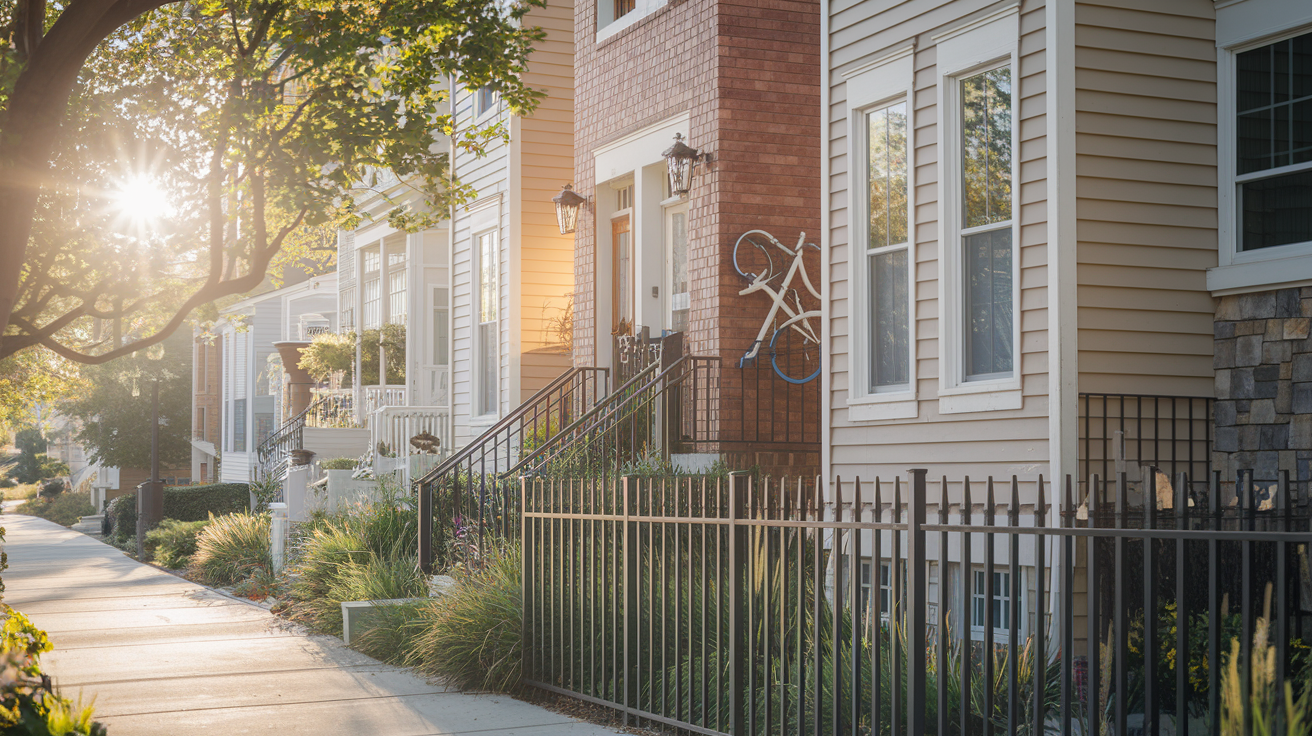
Atlanta buyers bring expectations shaped by the local climate, commute realities, and neighborhood culture. Understanding these preferences helps you stage in ways that connect with the buyers most likely to tour your home.
Spring and early fall deliver the highest buyer traffic in metro Atlanta because weather is mild and families prefer to move between school years. If you can time your listing to hit the market in late February through May or September through early October, you’ll likely see more showings and faster offers.
Atlanta’s hot, humid summers put extra focus on HVAC performance and indoor comfort, so buyers pay close attention to air conditioning condition, humidity control, and any signs of mold or mildew in basements or bathrooms. Make sure your HVAC system is serviced, filters are fresh, and indoor temperature stays consistent at 68 to 72 degrees during showings.
Walkability, transit access, and proximity to parks or trails like the BeltLine increasingly influence buyer decisions, especially for younger buyers or those relocating from other cities. If your home sits near a MARTA station, BeltLine access point, or popular park, make sure listing photos and staging subtly highlight outdoor gear storage or bike hooks that suggest an active lifestyle. Bright, open interiors also rank high because many older Atlanta homes feature smaller, segmented rooms, so buyers actively seek layouts that feel modern and spacious.
Three Atlanta specific factors to emphasize during staging:
- Functional HVAC and dehumidification to handle humid summers and reassure buyers about indoor air quality.
- Outdoor living spaces that extend usable square footage and appeal to year round entertaining habits.
- Walkability or proximity to BeltLine, parks, and transit if applicable to your neighborhood.
Professional Staging vs. DIY for Atlanta Home Sellers

Deciding whether to stage your home yourself or hire a professional depends on your budget, timeline, and the home’s condition. DIY staging works well when your furniture is neutral and in good shape, you have time to declutter and rearrange, and your home doesn’t require major cosmetic updates. Professional staging makes sense for vacant homes, higher priced properties, or situations where your existing furniture feels dated or doesn’t fit the space well.
Hiring a professional stager for a consultation only visit typically costs $150 to $500 and gives you a prioritized action list plus layout guidance. Partial staging, which furnishes and styles key rooms like the living room, primary bedroom, and kitchen, runs $1,000 to $3,000 depending on home size and rental duration.
Full staging, where a stager furnishes and accessorizes the entire home, costs $1,500 to $6,000 upfront or $300 to $900 per month if you rent furniture on a monthly basis. Virtual staging, which digitally adds furniture to photos of empty rooms, costs $50 to $150 per photo and works well for online marketing but can’t replace the in person experience of a furnished showing. Industry data suggests staged homes may sell one to five percent higher than unstaged comparables and can reduce days on market by 20 to 50 percent, though results vary by neighborhood and price point.
| Option | Cost Range | Best For | Notes |
|---|---|---|---|
| Consultation only | $150–$500 | Sellers with existing furniture who want expert layout and prioritization guidance | One time fee; you execute the plan yourself |
| Partial staging (3–4 key rooms) | $1,000–$3,000 | Homes where living room, primary bedroom, and kitchen need the most help | Includes furniture rental and styling; duration varies |
| Full professional staging | $1,500–$6,000 or $300–$900/month | Vacant homes, luxury properties, or homes with outdated furniture throughout | Higher upfront cost but strongest visual impact; may yield faster sale |
| Virtual staging (per photo) | $50–$150/photo | Online marketing for vacant homes; cannot replace in person furnished showings | Cost effective for listings photos; transparent disclosure required |
If you’re selling a home priced above $400,000 or your property has been sitting on the market longer than 30 days, professional staging often delivers real ROI by attracting more showings and stronger offers. For homes under $300,000 or in hot seller’s markets where inventory is low, a thorough DIY declutter, clean, and furniture rearrangement may be enough to generate quick interest without added staging expense.
Photography and Showing Prep for Your Staged Atlanta Home
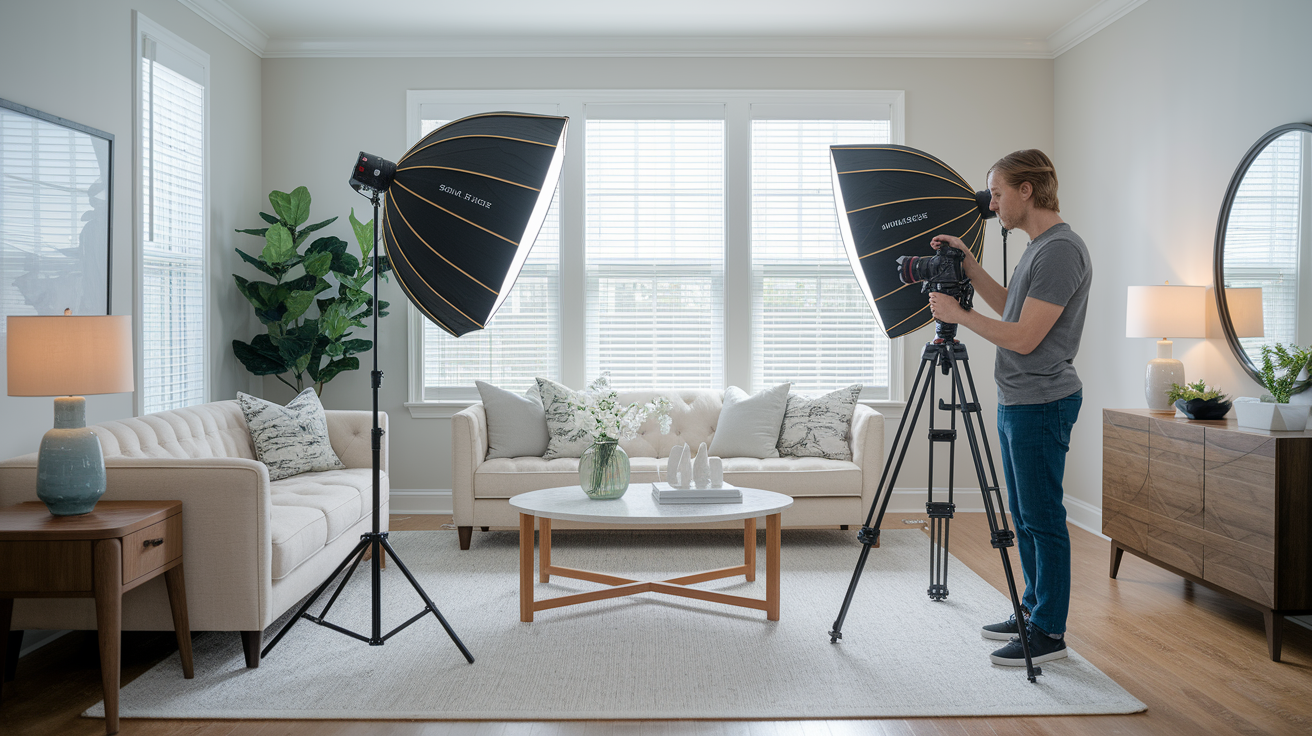
Once staging is complete, your next priority is capturing professional photos that showcase your home at its absolute best. Listing photos drive 90 percent of initial buyer interest, so investing $150 to $500 in a professional real estate photographer pays off in higher showing volume and faster offers.
Schedule your photo shoot within 24 to 48 hours after staging is finished so your home looks fresh and perfectly arranged. Photographers typically prefer midday shoots when natural light is brightest, so open all blinds and curtains, turn on every light in the house, and make sure counters and floors are completely clear.
Plan to list your home within one to three days of receiving final photos so momentum builds quickly. For showings, maintain the staged look by keeping counters clear, running a quick vacuum before each appointment, and setting the thermostat to a comfortable 68 to 72 degrees. Remove any personal items that have crept back onto surfaces, and make sure pets are out of the house during tours.
Five final showing prep steps to complete before every tour:
- Walk through and clear any clutter that’s accumulated since staging. Reset surfaces to two or three items maximum.
- Turn on all interior lights, open blinds fully, and set thermostat to 68–72°F at least 30 minutes before showing time.
- Run a quick vacuum or sweep to make sure floors look pristine. Wipe down bathroom and kitchen counters.
- Remove pets, pet bowls, litter boxes, and any signs of animals during the showing window.
- Play soft background music at low volume and add a subtle, neutral scent like fresh baked cookies or a lightly scented candle if the home has been closed up.
Final Words
Start with the quick 48–72 hour wins: deep clean, set the thermostat, refresh the curb, and get photos ready. Those actions make a big first impression.
Then move through decluttering, small repairs, room-by-room touches, lighting tweaks, and outdoor staging—plus Atlanta-specific tips like HVAC and season timing.
Use this how to prepare your atlanta home for sale staging checklist as a clear, step-by-step roadmap. Do the sensible, visible things first, and you’ll likely see better showings and less stress at closing.
FAQ
Q: What are the top quick staging tasks to do in 48–72 hours?
A: Preparing your Atlanta home in 48–72 hours means focusing on fast, high-impact tasks: deep clean, set thermostat 68–72°F, replace HVAC filter, power-wash, add 3–5 plants, refresh front door, swap bulbs, and hide obvious clutter.
Q: How much will quick deep cleaning, power washing, and front‑door refresh cost?
A: Estimating costs: deep cleaning $150–$350, power washing $75–$250, HVAC filter $10–$50, front-door refresh $50–$600, and small fixes or bulb swaps often run under $50.
Q: What temperature should I set for showings in Atlanta?
A: Setting your showing temperature means keeping the thermostat at 68–72°F so homes feel comfortable year-round in Atlanta, and using a dehumidifier in humid months to reduce musty smells and mold risk.
Q: How much should I remove when decluttering and depersonalizing?
A: Decluttering and depersonalizing means removing 50–70% of knickknacks, reducing closets to 20–30% capacity, and removing 80–95% of personal photos to create bright, buyer-friendly rooms.
Q: Which minor repairs boost buyer confidence and what do they cost?
A: Making small repairs boosts confidence: fix leaky faucets $75–$200, loose cabinet hinges $0–$50, cracked grout $50–$200, replace bulbs with 2700–3000K LEDs, and schedule HVAC tune-up $75–$150.
Q: What quick curb‑appeal actions should I take and what do they cost?
A: Boost curb appeal by mulching 2–3 inches, planting 3–5 seasonal plants ($50–$300), power-washing driveway/siding ($75–$250), refreshing front-door paint ($50–$600), and trimming hedges for a tidy look.
Q: Should I hire a professional stager or do it myself?
A: Choosing pro staging vs DIY depends on budget and timeline: consults $150–$500, partial staging $1,000–$3,000, full $1,500–$6,000; staged homes often sell 1–5% higher and notably faster.
Q: When is the best season to list a home in Atlanta?
A: Listing your Atlanta home is usually best in spring or early fall when buyer traffic is strongest; avoid peak humid summer unless HVAC and dehumidification systems are in top shape.
Q: When should photos be taken and what final showing prep is needed?
A: Timing photos and showings means getting professional photos within 24–48 hours after staging, listing 1–3 days after photos, keeping temp 68–72°F, and clearing counters to 2–3 items.
Q: How do I stage outdoor living spaces quickly for Atlanta buyers?
A: Staging outdoor living quickly means adding seating for 2–4, one outdoor rug, potted plants, ambient lighting, and power-washing surfaces so patios and porches look move-in ready for warm-season buyers.