


Thinking Buckhead means you’ll always pay more than Midtown? Not exactly — some costs hide in yards, others hide in monthly HOA (homeowners association) bills.
This quick guide breaks down where your dollars actually go in Atlanta: big mortgages and yard work in Buckhead versus higher condo dues, parking rules, and lower drive-time costs in Midtown.
By the end you’ll know which tradeoffs matter for your budget and daily life — and which neighborhood fits how you want to live.
Cost of Living Breakdown Between Buckhead and Midtown
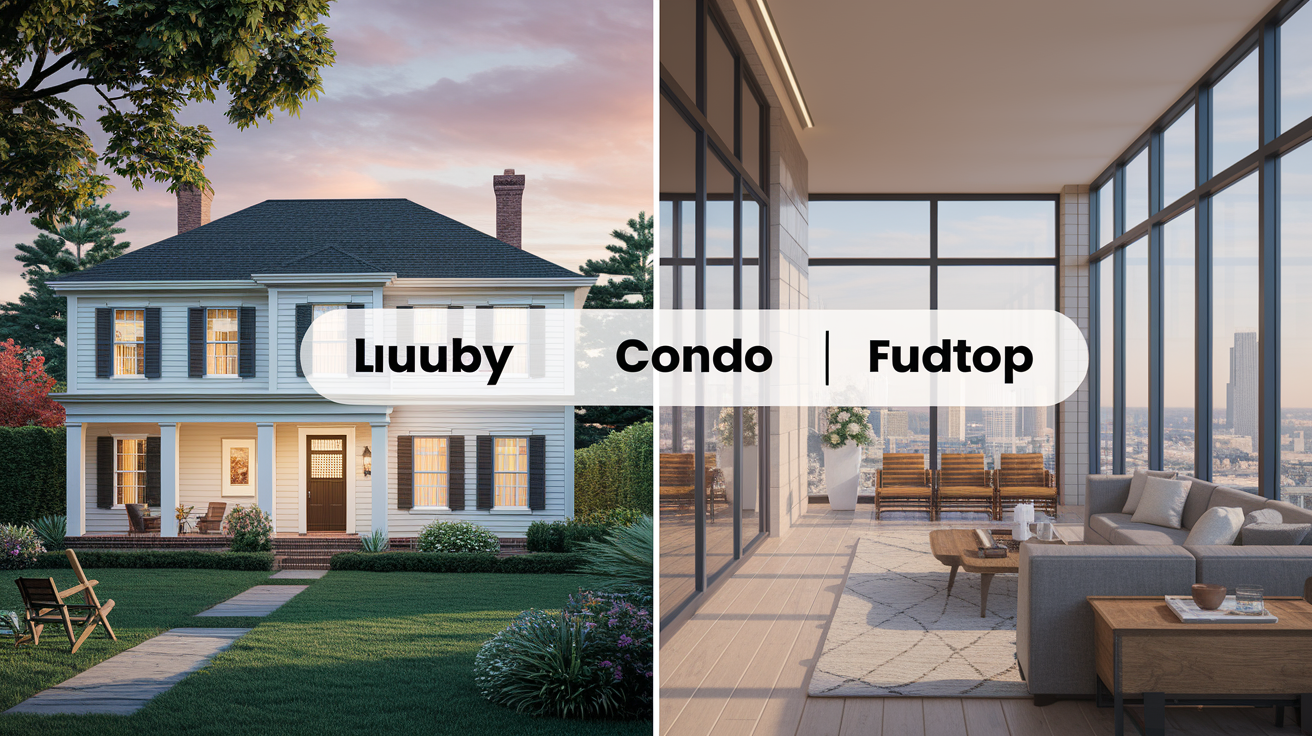
Both Buckhead and Midtown sit inside the City of Atlanta and Fulton County, so property taxes start from the same base millage rates. What you actually pay depends on your home’s assessed value and any exemptions you claim (like homestead), not the neighborhood name. The bigger cost differences show up in how you live, not which line you cross on the map.
Buckhead’s housing costs skew higher because single-family homes dominate. Estates on big lots, renovated historic houses, multi-car garages. You’re buying square footage, yard care, exterior paint, HVAC systems that serve 3,000 square feet, and landscape maintenance that never stops. Midtown’s costs concentrate in HOA fees. Your monthly condo bill covers amenities (gym, concierge, rooftop deck), master insurance, building reserves, sometimes utilities or parking. You pay less for outdoor maintenance, but that HOA line item can run $400 to $800 or more depending on the building.
| Category | Buckhead Typical Costs | Midtown Typical Costs |
|---|---|---|
| Housing structure | Single-family homes, larger purchase price, private yard/exterior care | Condos/lofts, HOA fees cover amenities and master insurance |
| Monthly ownership extras | Landscape service, pest control, exterior repairs | HOA dues (can include parking, some utilities, reserves) |
| Insurance | Full homeowner policy (structure + liability) | Walls-in policy (pairs with master building coverage) |
| Parking | Private garage or driveway included | Assigned garage space or paid parking (check HOA docs) |
| Transportation/commute | Car-dependent in many residential pockets; fuel and time | Walkable, strong MARTA access; lower car use, shorter commutes |
A few practical cost differences to expect:
Buckhead single-family buyers face higher upfront prices and ongoing yard/exterior expenses. Midtown condo buyers pay monthly HOA fees that can exceed what Buckhead residents spend on lawn service. Both areas share the same City of Atlanta and Fulton County tax jurisdiction, so your tax bill reflects assessed value and exemptions, not which side of Peachtree you choose. Midtown residents often spend less on gas and car maintenance because transit and walkability reduce daily driving. Buckhead parking comes with the house. Midtown parking usually comes with the unit, but verify if your space is deeded, assigned, or requires a separate fee.
Housing Costs and Market Differences in Buckhead vs Midtown
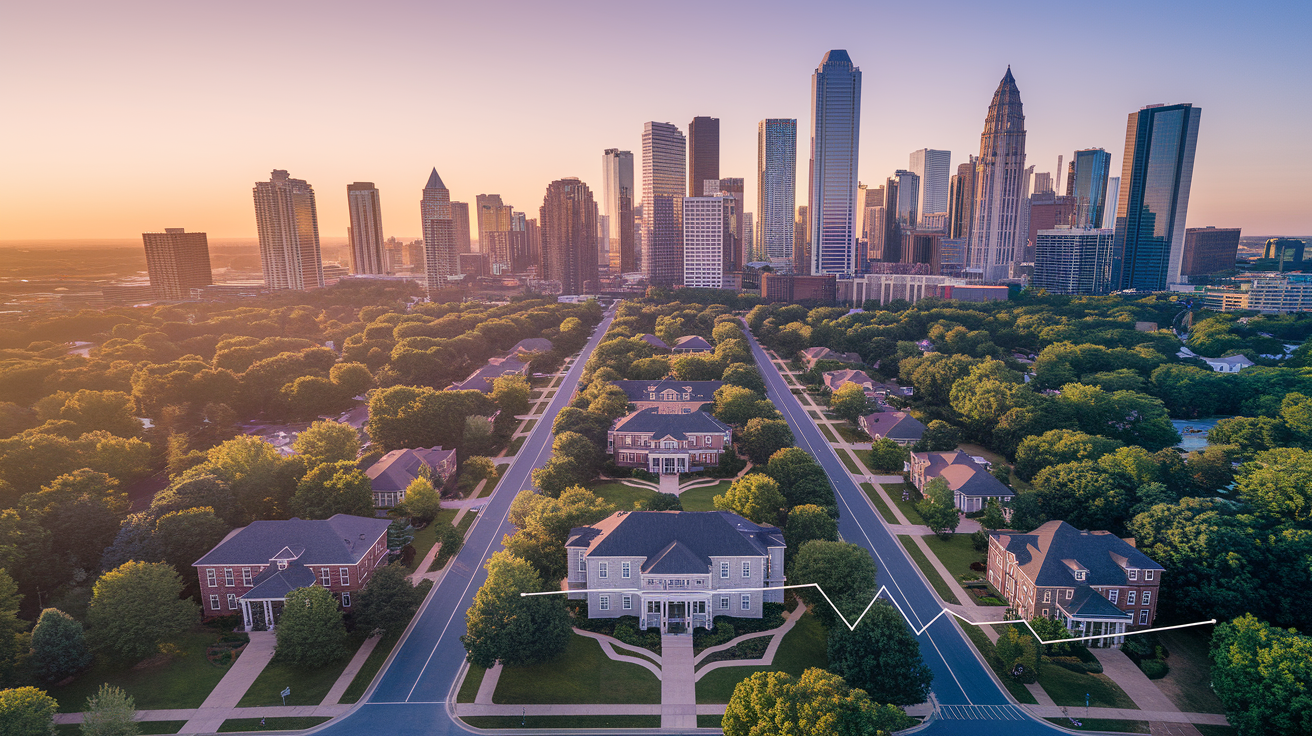
Buckhead’s housing stock runs deep in single-family homes. Traditional estates on West Paces Ferry, renovated Tudor-style classics, newer construction on tear-down lots, and pockets of luxury condo towers near Peachtree Road and Buckhead Village. If you want a driveway, a yard, mature landscaping, and multiple bedrooms under one roof, Buckhead delivers more options. Midtown’s market is built vertically: mid-rise and high-rise condos, converted lofts near the arts district, and a handful of single-family streets tucked behind Piedmont Park. If you want an elevator, a concierge, and no grass to mow, Midtown is the shorter list to search.
The structure of each market shapes how money moves. Buckhead’s high-end single-family homes hold long-term value in the luxury segment, but they can sit longer when you sell. Fewer buyers shop at that price point, and showings depend on finding someone who wants exactly what you built or renovated. Midtown condos move faster because inventory turns over, rental demand stays strong (universities, hospitals, corporate offices all within walking distance), and the buyer pool includes investors, young professionals, and empty-nesters who prefer low-maintenance living. Resale liquidity matters if your timeline is short or your job might relocate you.
Buckhead housing
Large single-family homes anchor the market. Lot sizes run bigger, home square footage climbs, and you’ll find private pools, finished basements, and dedicated home offices. Luxury condo towers near Lenox Square and Phipps Plaza offer doormen, valet parking, pet spas, and rooftop lounges, but single-family dominates the overall housing mix. Expect higher purchase prices and slower turnover at the top end. If you sell, your buyer is probably looking for space, privacy, and an established neighborhood feel.
Midtown housing
Glass high-rises and mid-rise buildings fill the skyline. Converted lofts with exposed brick and tall ceilings attract creatives. Newer towers with rooftop pools and 24-hour concierge serve professionals who work nearby. Single-family streets exist (especially near Piedmont Park), but they’re the exception. Condo living means shared amenities replace private yards, and your monthly HOA fee substitutes for what a Buckhead owner spends on landscaping and exterior insurance. Rental demand holds steady year-round, and resale timelines tend to be shorter because the buyer pool is broader and more flexible.
Lifestyle Differences: Walkability, Pace, and Daily Living in Buckhead vs Midtown

Midtown built itself for people on foot. Sidewalks connect every block, bike lanes run along Peachtree and 10th, and Piedmont Park sits at the center with the BeltLine Eastside Trail feeding walkers and runners in from the east side. You can leave your building, grab coffee, walk to the High Museum, meet friends for lunch, and never think about where you parked.
Buckhead’s commercial nodes (Lenox Square, Phipps Plaza, Buckhead Village) offer walkable clusters, but the single-family streets beyond those hubs require a car. If your house sits off West Paces Ferry or Tuxedo Road, you’re driving to dinner, driving to the gym, and driving to pick up groceries.
Buckhead feels quieter once you leave Peachtree Road. Residential streets have big trees, low traffic, and almost no foot traffic after dark. The energy concentrates in the shopping districts (luxury bars, rooftop lounges at condo towers, chef-driven restaurants in Buckhead Village), but the vibe skews polished and formal. Midtown’s energy spreads across more blocks. Over 150 restaurants serve every price point and cuisine style, the Fox Theatre and Woodruff Arts Center draw crowds most nights, and Piedmont Park hosts weekend festivals, pick-up soccer, and dog walkers at sunrise. The pace is faster, the sidewalks are busier, and you hear more street-level noise.
Walkability
Midtown wins on pure walkability. You can live car-free if your job, your grocery store, and your social life all stay inside a two-mile radius. MARTA stations at North Avenue, Midtown, and Arts Center put rail transit within a ten-minute walk for most residents. Buckhead’s walkability concentrates in small pockets. If you live in a high-rise near Lenox, you can walk to restaurants and retail, but if you live in a single-family neighborhood, you’ll default to driving. That difference shapes your monthly transportation costs (gas, insurance, parking fees, car maintenance) and your daily schedule.
Day-to-day living looks different depending on which neighborhood you choose:
Midtown residents often skip car ownership or drive only on weekends. Buckhead single-family residents depend on their cars for almost every errand. Buckhead offers large private yards and quiet evenings. Midtown offers rooftop decks, building gyms, and the energy of sidewalk restaurants below your window. Midtown places arts, parks, and nightlife within a ten-minute walk. Buckhead requires intentional trips to reach entertainment outside your immediate cluster. Buckhead’s residential streets feel suburban in pace once you leave Peachtree. Midtown’s pace stays urban day and night.
Noise in Midtown comes with density. Delivery trucks at dawn, weekend crowds near Piedmont Park, street performers on 10th Street. Buckhead’s single-family blocks stay quieter except near commercial corridors.
Safety, Schools, and Neighborhood Services Compared
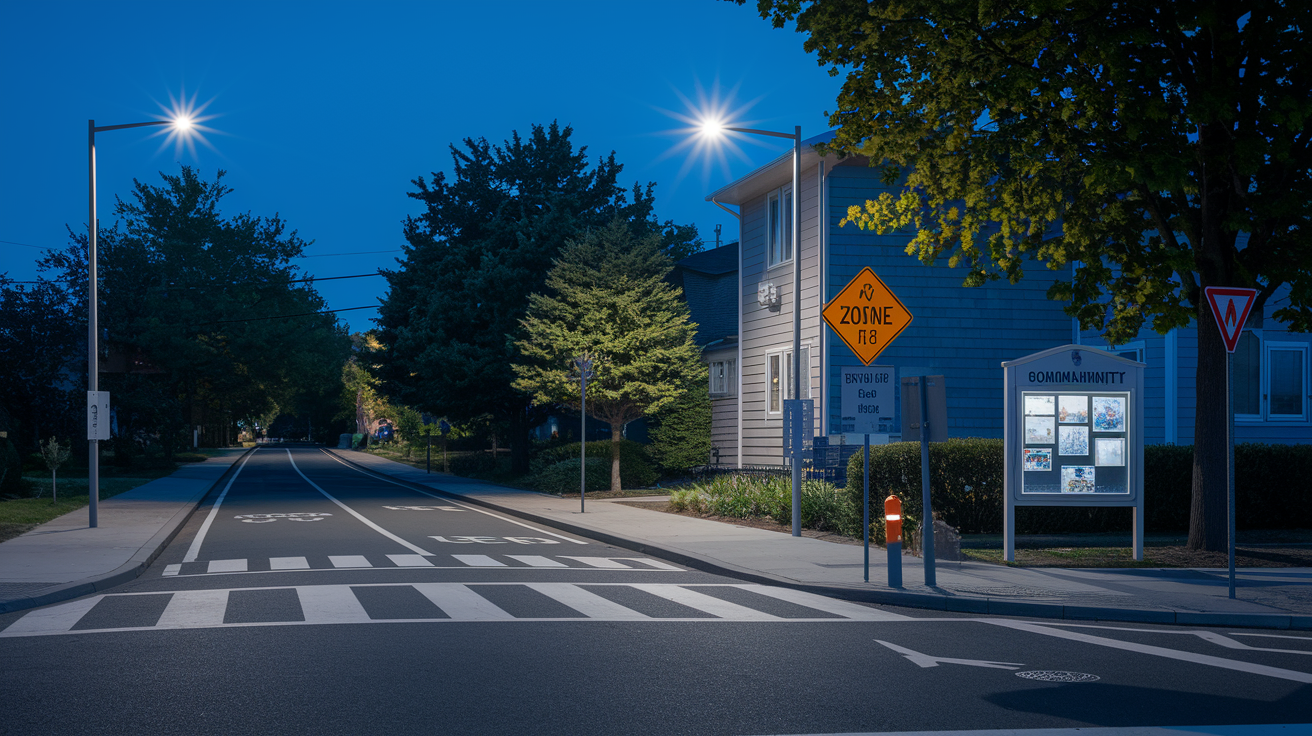
Both neighborhoods fall under Atlanta Public Schools and Fulton County services, so school assignments depend on your exact address, not the neighborhood label. Buckhead families often look at Morris Brandon Elementary and North Atlanta High School, which offers an International Baccalaureate program. Midtown families research Morningside Elementary and Grady High School, which has a strong College and Career Center. Private school options cluster near Buckhead (Westminster Schools is one example), and families who want that route find shorter commutes from Buckhead addresses.
Safety varies block by block in both places, and busy retail corridors see more incidents than quiet residential streets. Crime reports concentrate near major intersections and late-night commercial areas in Midtown (10th and Peachtree, 14th Street), and near shopping centers in Buckhead (Lenox Square, Phipps Plaza). Both neighborhoods have active community improvement organizations that fund extra security, lighting, and beautification. Review recent police reports for the specific street you’re considering, not the neighborhood average.
Practical points on schools, safety, and services:
Atlanta Public Schools zoning can shift. Verify current assignments for your address before you assume your child will attend a specific school. Buckhead’s proximity to multiple private schools shortens morning drop-off drives if you go that route. Midtown’s density means more eyes on the street at night, which some residents find reassuring and others find intrusive. Both neighborhoods benefit from added community-funded services (private security patrols, landscaped medians, event programming) that supplement city services. If you work Downtown or in Midtown, living in Midtown cuts your commute time, which matters when school pick-up windows are tight.
Transportation, Parking, and Commute Costs in Buckhead and Midtown

Midtown’s MARTA access changes the math. North Avenue, Midtown, and Arts Center stations sit within walking distance of most condos, so rail commutes to the airport, Downtown, or Buckhead (Buckhead station on the north end) take fifteen to twenty-five minutes. Bus routes run frequently along Peachtree and 10th, bike lanes connect to the BeltLine, and ride-share pick-ups happen in seconds because density keeps drivers circulating. If you work in Midtown or Downtown, your commute might be a ten-minute walk. That saves you gas, parking fees, car insurance, and the mental cost of sitting in traffic twice a day.
Buckhead’s car dependence adds up. Single-family homes come with private garages and driveways, so parking at home is never a problem, but your daily drive to work, errands, or dinner means higher fuel costs, more oil changes, brake wear, and insurance premiums that reflect higher annual mileage. Rush hour on Peachtree Road backs up, and side-street cut-throughs fill with commuters trying to bypass the main corridor. If you live in a Buckhead condo near Lenox, you might walk to restaurants and retail within that node, but most errands still require a car. Parking in Midtown condo buildings usually includes one assigned garage space. Some buildings charge extra for a second space or guest parking.
Commute and transportation cost differences worth noting:
Midtown residents who work nearby often spend under $50 a month on transportation (MARTA pass, occasional ride-share). Buckhead residents typically spend $200+ on gas, parking, and car upkeep. Buckhead’s single-family driveways eliminate parking hassles at home. Midtown condo parking can involve tight garage turns, valet hand-offs, or waiting for an elevator with your groceries. Midtown’s walkability cuts your commute to near-zero if your office sits within a mile. Buckhead’s layout assumes a car for almost every trip beyond your immediate block.
If you need to drive daily from Buckhead to Midtown or Downtown, expect thirty to forty-five minutes in morning and evening traffic. Reverse commutes (Midtown to Buckhead) run smoother.
Dining, Shopping, and Entertainment Cost Differences
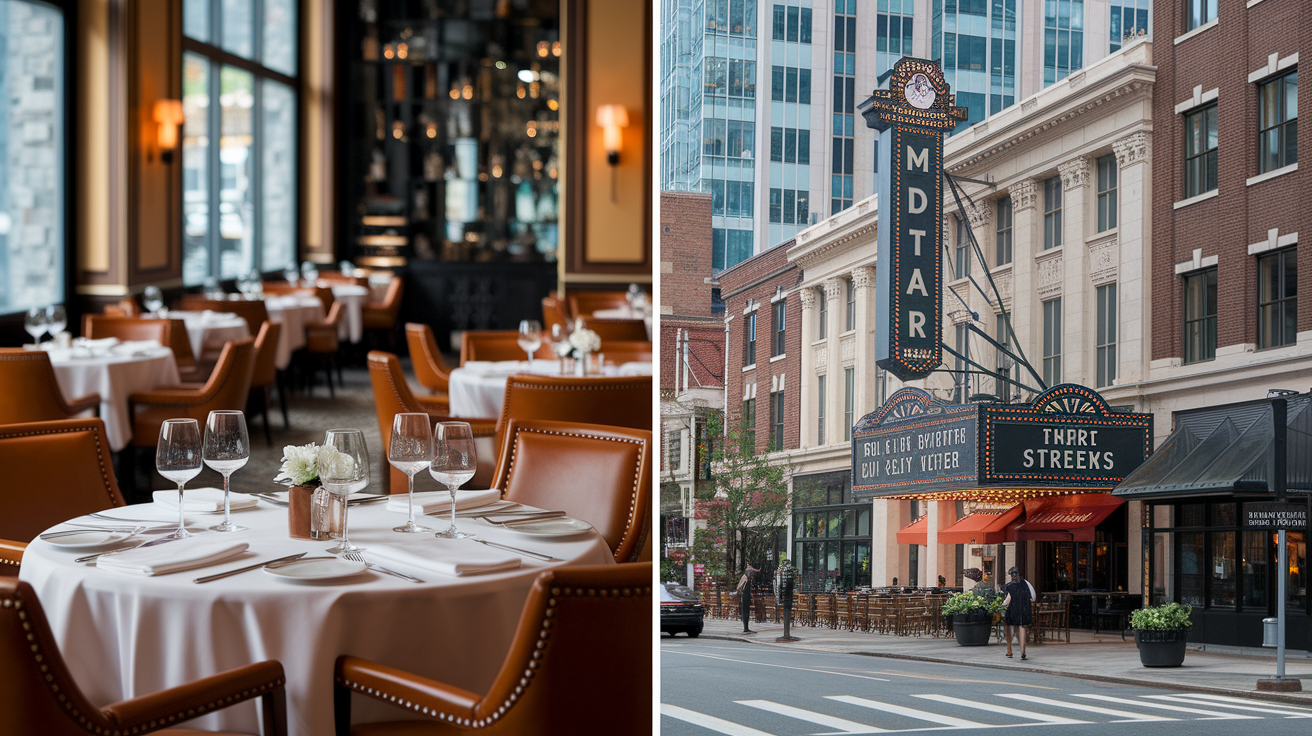
Buckhead’s dining and retail lean luxury. Lenox Square and Phipps Plaza anchor high-end shopping (designer boutiques, jewelry stores, department stores that carry prestige brands). Buckhead Village delivers chef-driven restaurants where entrees start around $30 and climb from there, cocktail bars with craft menus and dress codes, and wine lists that run deep. The experience is polished: valet parking, white tablecloths, sommelier service. You’re paying for ambiance, location, and the clientele that fills the room. The Atlanta History Center offers 33 acres of gardens and exhibits, and Chastain Park Amphitheater hosts ticketed concerts in an upscale outdoor setting.
Midtown’s dining scene runs wider and deeper. Over 150 restaurants cover every price point. Fast-casual lunch spots under $15, mid-tier bistros in the $20–$35 range, and a handful of fine-dining destinations that match Buckhead’s top end. The variety means you can eat out frequently without repeating the same rotation or blowing your budget. Entertainment threads through the neighborhood: the Fox Theatre hosts Broadway tours and concerts, the High Museum rotates exhibits year-round, Piedmont Park offers free festivals and live music on weekends, and the BeltLine Eastside Trail connects you to food trucks, pop-up markets, and outdoor art installations. Nightlife skews eclectic (jazz clubs, indie music venues, rooftop bars with younger crowds, and late-night spots that stay open past midnight).
Cost and experience differences to keep in mind:
Buckhead’s restaurant bills typically run 20–30% higher than Midtown’s for comparable quality. You’re paying for the zip code and the scene as much as the food. Midtown’s density means you can walk to dinner, a show, and drinks without spending money on parking or ride-shares. Buckhead often requires valet or paid garage parking near restaurants. Buckhead shopping targets luxury buyers (Phipps Plaza, Lenox Square, Buckhead Village boutiques), while Midtown retail mixes chain stores, local shops, vintage finds, and practical services.
Free and low-cost entertainment (park concerts, museum discount days, BeltLine events) happens more frequently in Midtown because cultural institutions and green space sit closer together. Buckhead’s nightlife attracts an older, affluent crowd dressed for an occasion. Midtown’s nightlife pulls students, creatives, and young professionals in jeans and sneakers.
If you host out-of-town guests, Midtown’s walkable cultural landmarks (Fox Theatre, High Museum, Piedmont Park) offer easy itineraries. Buckhead’s draw is upscale shopping and dining that requires reservations and a car.
Parks, Culture, and Green Space in Buckhead vs Midtown
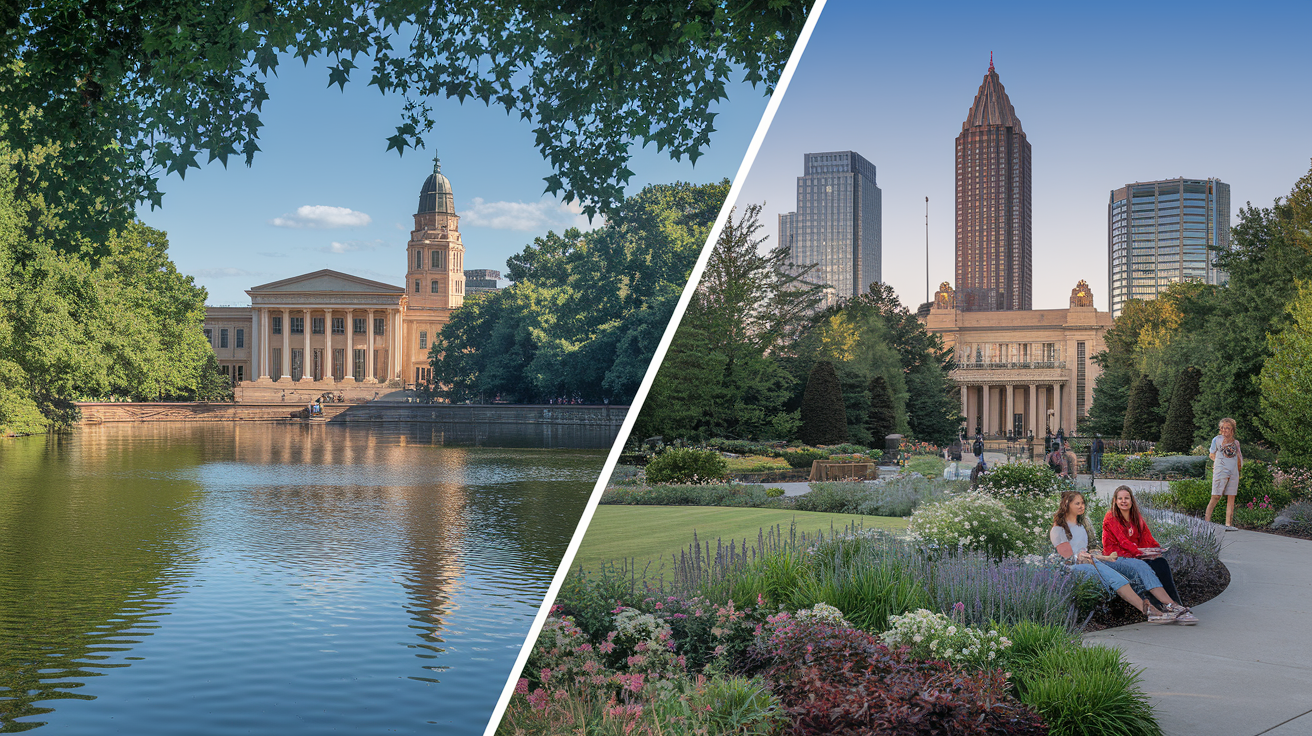
Midtown built its identity around Piedmont Park, the city’s largest and most active green space. The park covers nearly 200 acres with walking paths, sports fields, a lake (Lake Clara Meer), a dog park, and open lawns that host Music Midtown, the Atlanta Jazz Festival, and weekend farmers markets. The BeltLine Eastside Trail feeds into the park from the east, connecting runners, cyclists, and walkers to Poncey-Highland and Old Fourth Ward. The Woodruff Arts Center and High Museum anchor the cultural district along Peachtree, pulling in rotating exhibits, lectures, and performances year-round. If you live in Midtown, art and green space sit within a ten-minute walk, and you’ll see both regularly because they fall on the route between home, work, and dinner.
Buckhead’s green spaces feel more spread out and privately oriented. The Atlanta History Center offers 33 acres of gardens, historic homes, and museum exhibits, but it requires a membership or admission fee. Chastain Park Amphitheater hosts ticketed outdoor concerts in a neighborhood park setting. Beyond those anchors, Buckhead’s single-family streets feature private yards, mature tree canopies, and quiet landscaping that residents maintain themselves. You get more personal green space if you own a house with a yard. You get less shared public space unless you drive to a specific park or venue.
Cultural Anchors
Midtown dominates Atlanta’s cultural calendar. The Fox Theatre books national tours, the High Museum rotates major traveling exhibits and holds a permanent collection, and the Woodruff Arts Center houses the Alliance Theatre and Atlanta Symphony Orchestra under one roof. Piedmont Park programs free yoga, outdoor movies, and seasonal festivals. The density means you can string together a museum visit, a park walk, and a restaurant dinner without moving your car. Buckhead’s cultural offerings tilt toward history and upscale events (Atlanta History Center exhibits, Chastain Park concerts that require advance tickets), and your access depends on planning and driving to each venue.
Ownership Costs: HOA Fees, Insurance, Maintenance, and Taxes
Buckhead single-family ownership costs spread across categories you control directly. You pay for landscaping (mowing, trimming, seasonal planting), exterior maintenance (roof, siding, paint, gutters), HVAC service contracts, pest control, and any repairs that pop up. Your homeowner’s insurance policy covers the structure, your belongings, and liability. If your home sits on a larger lot with a pool or multiple outbuildings, those costs climb. You also handle your own trash service, sometimes your own security system, and any HOA dues if your subdivision charges them (though many Buckhead single-family streets don’t). Property taxes come from the City of Atlanta and Fulton County. Your bill depends on your home’s assessed value and any exemptions you claim, not the neighborhood name.
Midtown condo ownership bundles costs into your monthly HOA fee. That fee typically covers master insurance (the building exterior and common areas), reserve funds for future repairs (roof replacement, elevator upgrades, parking deck resurfacing), amenities (gym, pool, concierge, rooftop deck), and sometimes utilities like water, trash, or basic cable. Your personal insurance policy (called an HO-6 or walls-in policy) covers only your unit’s interior, your belongings, and liability. You skip exterior maintenance entirely, but you lose control over when the building does major projects and how much the HOA board budgets for them. Condo fees can rise if the building faces unexpected repairs or if the reserve fund runs low.
| Expense Type | Buckhead | Midtown |
|---|---|---|
| Monthly HOA or Maintenance | Often $0–$200 for single-family (if any); higher for luxury condos | $400–$800+ typical for mid/high-rise condos; covers amenities and reserves |
| Insurance | Full homeowner policy (structure + contents + liability) | Walls-in policy (interior only); master policy covers building |
| Exterior/Landscape Care | Owner responsibility; $150–$400+/month for lawn, trimming, seasonal work | Included in HOA fee; owner handles nothing outside the unit |
| Property Taxes | City of Atlanta + Fulton County; based on assessed value and exemptions | City of Atlanta + Fulton County; based on assessed value and exemptions |
| Utilities | Owner pays all (electric, gas, water, trash) | Some HOAs include water, trash, basic cable; owner pays electric and internet |
Both neighborhoods share the same tax jurisdiction, so your property tax bill reflects how Fulton County assesses your home and which exemptions you qualify for (homestead, senior, disabled veteran). Buckhead’s higher home values often mean higher absolute tax bills, but the rate structure is identical. Midtown condo owners sometimes see lower tax assessments because their unit represents a fraction of the building’s total value, but that savings can disappear into the monthly HOA fee. The real ownership cost difference comes down to this: Buckhead single-family owners pay for control and privacy through direct maintenance expenses, while Midtown condo owners pay for convenience and shared amenities through monthly HOA dues.
Who Each Neighborhood Fits Best: Families, Professionals, Students, and Retirees

Buckhead fits families who want a yard, a quiet street, and proximity to private schools. Single-family homes offer multiple bedrooms, finished basements for playrooms, driveways that hold car seats and sports equipment, and neighborhoods where kids ride bikes on sidewalks without crossing busy roads. Morris Brandon Elementary and North Atlanta High School (with its IB program) draw families who stay in the public system. Westminster Schools and other private options sit close enough for reasonable morning drop-offs. If your lifestyle includes weekend barbecues, a dog that needs space, and a two-car garage, Buckhead’s housing stock matches that list better than Midtown’s.
Midtown fits young professionals, creatives, students, and anyone who values walkability over square footage. If you work in Midtown or Downtown, your commute might be ten minutes on foot. If you want to grab dinner, see a show at the Fox Theatre, or meet friends for drinks without planning parking, Midtown’s density makes that easy. Georgia Tech sits on the western edge, SCAD has a presence, and hospital systems (Emory Midtown, Piedmont) employ thousands within walking distance. The condo lifestyle (gym in the building, concierge to accept packages, rooftop deck that substitutes for a backyard) appeals to people who travel for work, hate yard work, or prefer spending weekends at Piedmont Park instead of mowing grass.
Empty-nesters and retirees fit both neighborhoods depending on what they want next. Buckhead offers single-level luxury homes, low-maintenance landscaping services, and quiet streets where you know your neighbors. If you want to downsize but keep a yard, a garage for two cars, and a guest bedroom for visiting family, Buckhead delivers. Midtown offers elevator buildings with concierge service, walkable access to the High Museum and Piedmont Park, and the option to skip car ownership entirely if your knees or eyes make driving harder as you age. If you want culture at your doorstep and a building staff who knows your name, Midtown works.
Best-fit recommendations based on lifestyle priorities:
Choose Buckhead if you need space for a family, want a private yard, prefer car-based convenience, or value proximity to private schools and quieter residential streets. Choose Midtown if you work nearby, want to walk or use MARTA daily, prefer condo amenities over home maintenance, or prioritize arts, nightlife, and park access within a ten-minute radius. Students and young professionals typically find Midtown more affordable and social. Families with school-age children typically find Buckhead’s housing stock and school access more practical.
Investors chasing rental income usually target Midtown condos because tenant demand stays strong year-round (universities, hospitals, corporate offices). Buckhead’s luxury single-family market attracts long-term owner-occupants who rent less frequently.
Long-Term Trends: Development, Investment Potential, and Future Cost Outlook
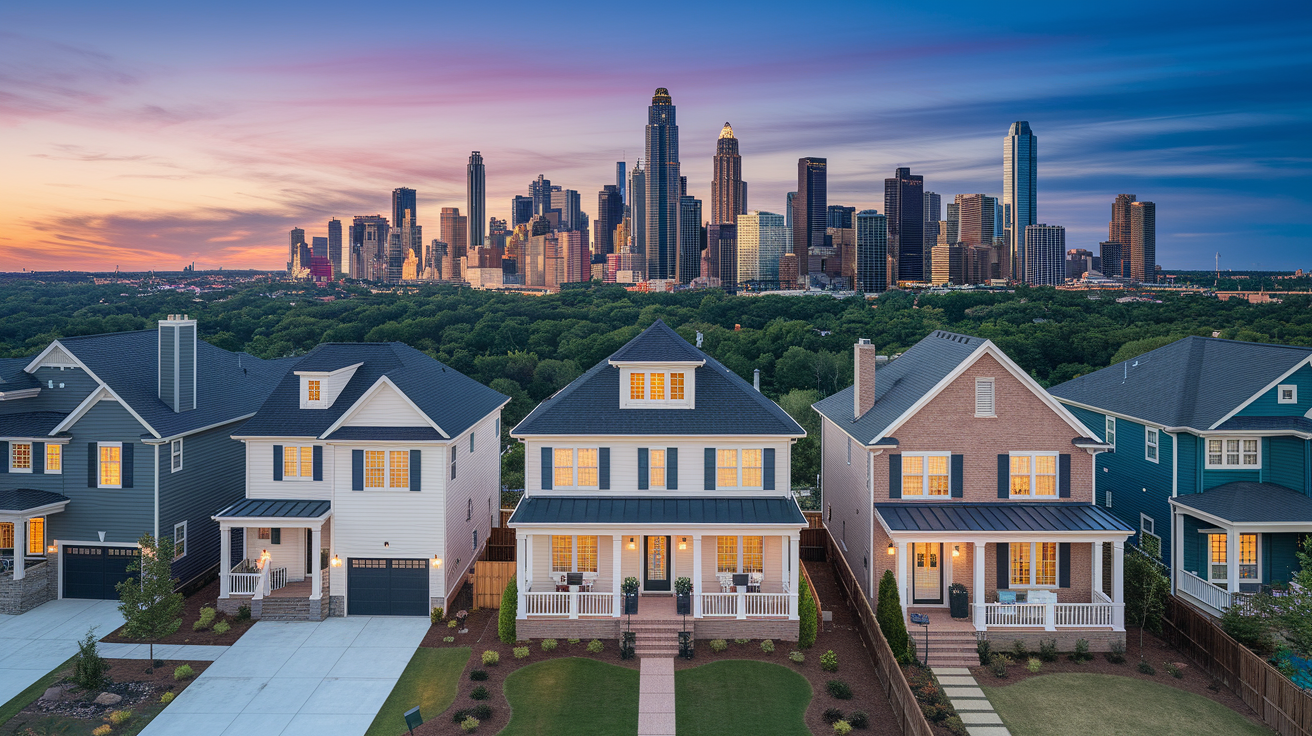
Midtown’s future points toward more density. Developers continue to file plans for mixed-use towers, higher-rise residential buildings, and infill projects that replace surface parking lots with street-level retail and apartments above. Georgia Tech’s expansion, hospital growth, and corporate office demand all push housing construction upward. Expect the skyline to keep changing, walkability to improve as new projects add sidewalk retail and streetscape upgrades, and condo inventory to grow. For investors, that means steady rental demand (students, hospital staff, young professionals, and relocating executives all need short- and mid-term housing near work). For owner-occupants, it means your view might change, construction noise will be part of life, and your building’s value will track how well the neighborhood’s amenities keep pace with new competition.
Buckhead’s development follows a different pattern. Single-family enclaves (especially the established streets around West Paces Ferry, Tuxedo Road, and Paces Ferry) resist density through zoning and neighborhood advocacy. New construction in those pockets tends to be tear-downs and rebuilds that keep lot sizes large and home prices high. The density growth happens in the commercial nodes: Buckhead Village, the area around Lenox Square and Phipps Plaza, and the stretch of Peachtree Road near the Buckhead MARTA station. Developers are proposing luxury high-rise residential towers with ground-floor retail, aiming to capture empty-nesters and young professionals who want Buckhead’s address without the yard work. Long-term, Buckhead will hold its reputation for exclusivity and large homes, with targeted pockets of walkable, transit-connected density.
Investment considerations
Midtown condos offer liquidity and rental income potential. Units turn over more frequently, tenant demand rarely dips, and financing is straightforward because most buildings meet Fannie Mae and Freddie Mac condo project standards. Buckhead single-family homes hold value in the luxury segment but move slower when you sell. Your buyer pool is smaller, and days-on-market stretch longer at higher price points. Investors who want cash flow typically prefer Midtown. Investors who want long-term appreciation and lower turnover typically prefer Buckhead. Check HOA rules carefully in Midtown (some buildings cap the percentage of units that can be rented), and short-term rental restrictions (Airbnb, VRBO) are common across both neighborhoods due to City of Atlanta rules.
| Factor | Buckhead | Midtown |
|---|---|---|
| Development outlook | Preserve single-family areas; add density in commercial nodes near Peachtree and Lenox | Continued infill, more high-rise mixed-use, expanding arts/university footprint |
| Investment rental demand | Moderate; higher-end tenants, longer lease terms, smaller pool | Strong and steady; students, hospital staff, young professionals rotate year-round |
| Resale liquidity | Slower at luxury price points; smaller buyer pool for single-family estates | Faster turnover; broader buyer pool for condos and lofts |
| Long-term value drivers | Scarcity of large lots, private school proximity, stable luxury market | Walkability, transit access, expanding cultural/employment anchors |
Final Words
You’re choosing between Buckhead and Midtown. The core tradeoffs show up fast: Buckhead leans toward single‑family homes and higher yard and exterior costs; Midtown leans condo life, HOA fees, and stronger MARTA access and walkability.
We compared housing, ownership costs (HOA vs yard maintenance), commute and parking, schools, parks, dining, and future development to make the differences clear.
For a clear Buckhead vs Midtown cost of living and lifestyle comparison, decide if you want space and private yards or transit and condo amenities, then check HOA docs, run your commute times, and get pre‑approved. You’ll be ready.
FAQ
Q: Is Midtown more expensive than Buckhead?
A: Midtown is generally less expensive than Buckhead, since Buckhead has more single‑family luxury homes and estates while Midtown’s costs concentrate in condos with HOA dues and building fees.
Q: Is it better to stay in Midtown or Buckhead?
A: Choosing Midtown or Buckhead depends on priorities: Midtown for walkability, MARTA access, and shorter commutes; Buckhead for larger homes, private‑school access, luxury shopping, and quieter residential streets.
Q: Is Buckhead or Midtown safer?
A: Safety in Buckhead versus Midtown varies block‑by‑block; neither is uniformly safer—busy retail corridors see more incidents, while quiet residential pockets feel safer; check local crime maps and neighborhood groups.
Q: Is $100,000 a good salary in Atlanta?
A: Earning $100,000 in Atlanta is a solid wage for many, but affordability depends on household size, debts, and neighborhood choice (Buckhead costs more); it stretches further if you live OTP or rent a condo.