

Thinking summer is the best time to sell your Atlanta home?
List in spring instead.
From March through June—especially April and May—Metro Atlanta sees the most buyers, fastest contracts, and strongest pricing.
Spring listings often sell 3% to 7% higher than winter; a $400,000 home listed in March can net roughly $22,920 more than the yearly average.
About 35% to 45% of metro sales close in those four months.
If you’re aiming for top price and a quick sale, target that spring window.
Optimal Atlanta Listing Window for Maximum Price and Fastest Sale
The best time to sell a house in Atlanta runs from March through June. April and May deliver the strongest combo of buyer traffic, pricing power, and speed to contract. Homes listed during this peak window typically sell 3% to 7% higher than comparable properties listed in winter, and they spend way less time on the market. Listing a $400,000 home in March could net you around $22,920 more than the yearly average, while median days on market during spring often drop to 15 or 30 days compared to 50 or more in winter. Roughly 35% to 45% of all metro Atlanta home sales close during these four months. That’s the year’s most motivated buyers concentrated into one narrow, high energy window.
Recent Atlanta market data shows a median sold price near $391,000 and a median listing price around $374,900, with a sale to list ratio of about 98%. Homes are selling at or just below asking when priced well. Buyer interest typically surges 20% to 40% from February to April as households re-enter the market after winter, tax refunds arrive, and relocation decisions finalize. The median time on market across metro Atlanta hovers around 58 days on average, but well prepared spring listings in desirable neighborhoods regularly go under contract in 7 to 14 days. Some see multiple offers within the first weekend.
Spring conditions in Atlanta create outsized demand because weather, timing, and buyer life cycles all align. Mild temperatures and blooming landscapes maximize curb appeal and encourage in-person weekend showings. Families shopping to settle before the new school year start their search in late winter and early spring, aiming to close by late June or July. Corporate relocations and job transfers cluster in the first and third quarters, funneling new buyers into the market during March, April, and May. The result is a compressed seller’s market where inventory moves fast, bidding activity rises, and pricing premiums are real.
Seasonal Market Trends That Shape Atlanta’s Best Selling Months

Spring remains the undisputed peak selling season in Atlanta. You get the year’s highest buyer traffic, shortest days on market, and strongest pricing leverage. Active listings typically rise 20% to 40% compared to winter, but buyer demand rises even faster, creating competitive conditions that favor sellers. Homes priced accurately during March through June often attract multiple showings within the first weekend, and offers can arrive within 7 to 14 days. The combination of pleasant weather, family relocation schedules, and seasonal optimism drives the market’s strongest performance quarter.
Summer extends some of spring’s momentum but introduces trade offs. Corporate relocations continue through June and July, and longer daylight hours allow for evening showings after work. But Atlanta’s heat and humidity often top 90°F with high moisture, which reduces weekend open house turnout and makes outdoor spaces less appealing during peak afternoon hours. Buyers with school age children have often committed by mid summer, narrowing the buyer pool slightly. That said, well staged homes with strong air conditioning, shaded outdoor areas, and flexible showing schedules can still perform well, especially in submarkets popular with relocating professionals who prioritize proximity to major employers over school timing.
Fall offers a secondary opportunity for motivated sellers who missed the spring window or want to avoid peak competition. September and October bring a modest uptick in buyer activity as households finalize year end moves and new corporate transfers arrive. Inventory typically drops as fewer sellers list, reducing direct competition and giving well priced homes more visibility. Buyers shopping in fall are often serious and ready to close quickly, though overall traffic and urgency are lower than spring. Expect slightly longer days on market, around 30 to 45 days, but still far better than winter.
Winter presents the year’s slowest selling conditions. Longer days on market (often 50 to 75 days or more), reduced showing frequency, and higher likelihood of needing price concessions in the range of 1% to 3%. Shorter daylight hours, occasional cold snaps, and holiday distractions limit buyer activity. Winter can work for sellers who need to move quickly, have a unique or highly desirable property, or are willing to price aggressively to capture the smaller pool of active buyers. Often investors, cash purchasers, or relocating employees with immediate timelines.
Spring (March to June): Highest buyer traffic, shortest DOM, best pricing leverage, ideal curb appeal conditions, and family/school move alignment.
Summer (June to August): Continued relocation activity and long daylight but reduced weekend turnout due to heat. Works best for flexible sellers and move in ready homes.
Fall (September to November): Moderate demand, less competition, motivated buyers, and a secondary window for sellers who want year end closes.
Winter (December to February): Slowest market, longer DOM, higher concessions, but viable for sellers with urgent timelines or investor targeted properties.
How Atlanta Market Metrics Influence the Best Time to Sell

Core market metrics like listing price, sold price, days on market, and buyer financing trends directly shape when sellers should list and what outcomes to expect. Atlanta’s current median listing price sits near $374,900, while the median sold price is approximately $391,000, reflecting a sale to list ratio of about 98%. This means most homes sell at or just below asking when priced realistically. Understanding these benchmarks helps sellers time their entry to capture peak pricing windows, particularly in spring when buyer competition pushes final sale prices closer to or above list price.
Cash buyers account for 36.4% of metro Atlanta home sales, well above the national average of 29.2%. Mortgage rates in the 6% to 7% range continue to limit affordability for financed buyers. This combination increases the relative importance of cash purchasers and investors, especially in hot neighborhoods where homes move in 7 to 14 days during peak months. Inventory remains constrained compared to pre pandemic levels despite some increases reported in early 2025, and new home construction has declined year over year, tightening supply further. The takeaway for sellers: list during high demand months (March through June) when buyer urgency and financing readiness peak, and price competitively to trigger quick action in a market where speed and certainty matter.
Days on market vary significantly by season, and this metric offers a clear signal for timing decisions. Spring listings in well prepared condition often go under contract in 15 to 30 days, while winter listings stretch to 50 days or more. Sellers aiming for the fastest sale should target the March to May window, ensure the home is show ready before hitting the market, and monitor comparable listings closely during the first two weeks to gauge interest and adjust pricing if needed.
| Metric | Seasonal Impact | Seller Takeaway |
|---|---|---|
| Days on Market (DOM) | Spring: 15 to 30 days; Winter: 50 to 75+ days | List in spring for fastest contract; expect longer timelines in off peak months |
| Sale to List Ratio | Spring: often 98% to 100%+; Winter: 95% to 97% | Peak months support asking price or above; winter may require modest concessions |
| Cash Buyer Share | Steady year round at around 36% but more active in spring | Price and stage to attract both cash and financed buyers; quick closes possible |
Neighborhood Timing Differences Across Metro Atlanta

Metro Atlanta’s diverse submarkets follow different seasonal rhythms, and understanding your neighborhood’s buyer profile helps refine listing timing. Intown neighborhoods like Midtown, Inman Park, Virginia Highland, and Old Fourth Ward enjoy strong year round demand driven by young professionals, empty nesters, and buyers prioritizing walkability and proximity to jobs and entertainment. These areas show smaller seasonal swings. Spring still delivers the best pricing and speed, but well staged winter listings can perform respectably if priced to reflect reduced competition. Median listing prices in premium intown pockets like Morningside Lenox Park reach approximately $1,000,000, attracting buyers less constrained by school calendars and more focused on lifestyle and commute.
Suburban markets in Cobb, Gwinnett, North Fulton, Forsyth, and Cherokee counties follow the school year calendar more closely, with pronounced buyer surges in late winter and early spring as families aim to settle before summer break. These areas see stronger seasonal peaks. List in February through April to capture the wave of family buyers seeking move in readiness by late June or July. Median prices vary widely, from around $347,900 in neighborhoods like Grove Park to well over $500,000 in sought after suburban school districts, but timing remains consistent: early spring listings generate the highest traffic and pricing leverage in family focused submarkets.
Corporate relocation cycles add another timing layer, especially in areas near major employers, transit corridors, and corporate hubs. Relocating employees and transferees often generate increased buyer activity from January through March and again in August through September, aligning with fiscal year transitions and job start timelines. Sellers near Hartsfield Jackson airport, along the I-285 corridor, or in neighborhoods popular with transplants may benefit from listing slightly earlier (late January or February) to catch this wave, or waiting until late summer if spring timing doesn’t fit personal schedules.
Intown (Midtown, Inman Park, Virginia Highland, Old Fourth Ward): Strong year round demand. Spring maximizes price, but winter listings viable if priced and staged well.
Suburban family markets (Cobb, Gwinnett, North Fulton, Forsyth, Cherokee): Follow school calendar closely. List February to April to capture families aiming for summer move in.
Luxury and high end pockets (Morningside Lenox Park, parts of Buckhead): More seasonal variability. Late spring and early fall often best for affluent buyers.
Relocation heavy corridors (near airport, major employers, transit): List late January to March or August to September to align with corporate transfer cycles.
Weather, Curb Appeal, and Seasonal Showing Conditions in Atlanta

Atlanta’s climate directly influences buyer behavior, showing frequency, and first impressions, making weather timing a tactical consideration for sellers. Spring’s mild temperatures, blooming azaleas, and green lawns create ideal conditions for curb appeal and outdoor staging. Buyers arrive optimistic, spend more time touring properties, and can easily picture themselves enjoying patios, yards, and neighborhoods. Professional photography during spring daylight captures homes at their best, and weekend open house turnout peaks as comfortable weather encourages multiple property visits in a single afternoon. These conditions translate into higher showing counts, faster offers, and stronger pricing.
Summer heat and humidity present real challenges. Atlanta regularly sees temperatures above 90°F with high moisture from June through August, and afternoon thunderstorms are common. Weekend open house traffic drops as buyers avoid midday heat, and outdoor spaces (decks, yards, pools) become less appealing during peak sun hours. Sellers listing in summer should emphasize air conditioning, shaded outdoor areas, and flexible evening or early morning showing windows to accommodate buyer comfort. Homes with well maintained HVAC systems, energy efficient features, and indoor staging that highlights cool, comfortable living perform better during the hottest months.
Spring (March to May): Peak curb appeal, blooming landscapes, comfortable temperatures (60s to 70s°F), highest weekend showing turnout, and best conditions for professional photos and outdoor staging.
Summer (June to August): High heat and humidity (often 85°F to 95°F+), reduced weekend open house traffic, frequent afternoon storms. Emphasize indoor comfort and schedule evening showings.
Fall (September to November): Moderate temperatures return (60s to 80s°F), second best curb appeal window, and comfortable showing conditions with fewer weather disruptions.
Winter (December to February): Shorter daylight hours, occasional cold snaps (though mild by national standards), dormant landscaping, and lower buyer motivation. Virtual tours and strong interior staging become more important.
Strategic Prep Timeline Before Listing During Atlanta’s Best Selling Window

Sellers aiming to capture Atlanta’s peak spring market should begin preparation 8 to 12 weeks before their target listing date, allowing time for repairs, staging, professional photography, and strategic pricing analysis. Homes that hit the market move in ready with strong curb appeal and high quality visuals generate the most showings, fastest offers, and best pricing leverage. Many Atlanta agents use comprehensive prep checklists (some with 47 or more items) to ensure sellers address every detail that influences buyer perception and final sale price. The timeline below breaks down a typical 12 week preparation period to list in early April, the heart of Atlanta’s spring window.
Starting 8 to 12 weeks out, focus on major repairs, systems servicing, and pre listing inspections. Schedule HVAC tune ups, roof inspections, and any necessary repairs to electrical, plumbing, or structural components. Address deferred maintenance that might surface during a buyer’s inspection and derail negotiations later. Complete any significant updates like fresh interior paint (neutral tones work best), carpet cleaning or replacement, and fixing visible wear in kitchens and bathrooms. This early phase sets the foundation for a home that shows well and appraises smoothly. Budget roughly 1% to 3% of your anticipated sale price for repairs and improvements. On a $400,000 home, that’s $4,000 to $12,000, an investment that typically returns multiples in faster sale speed and higher final price.
At 4 to 6 weeks before listing, shift focus to staging, curb appeal, and visual presentation. Declutter every room, remove personal items and excess furniture, and arrange remaining pieces to showcase space and flow. Refresh landscaping with mulch, seasonal plantings, and lawn care. Clean gutters, power wash siding and walkways, and ensure the front entry is inviting. Schedule professional photography on a sunny day near your target listing date to capture optimal lighting and curb appeal. Most price discovery and buyer interest happen within the first 10 to 14 days, so high quality visuals are non negotiable. Finalize your pricing strategy with your agent using recent comparable sales and current active listings to position the home competitively.
-
Weeks 8 to 12: Complete major repairs (roof, HVAC, plumbing, electrical), fresh interior paint, and any necessary carpet or flooring work. Schedule pre listing inspection if desired.
-
Weeks 6 to 8: Service all systems (heating, cooling, water heater), address deferred maintenance, and complete minor fixture updates (cabinet hardware, light fixtures, faucets).
-
Weeks 4 to 6: Declutter and depersonalize every room, arrange furniture for staging, and remove excess belongings. Start curb appeal improvements (landscaping, mulch, exterior cleaning).
-
Weeks 2 to 4: Finalize curb appeal (fresh plantings, power wash walkways, clean windows), schedule professional photography for sunny conditions, and conduct final walk through with agent.
-
Week 1 to 2: Confirm pricing strategy based on latest comparable sales and active listings, prepare listing materials and marketing assets, and schedule initial open house and showing availability.
-
Listing Week: Go live on a Thursday or Friday to maximize weekend showing traffic, monitor first weekend activity closely, and be ready to review offers or adjust strategy within 7 to 14 days.
Pricing and Marketing Strategy for Atlanta’s High Demand Months
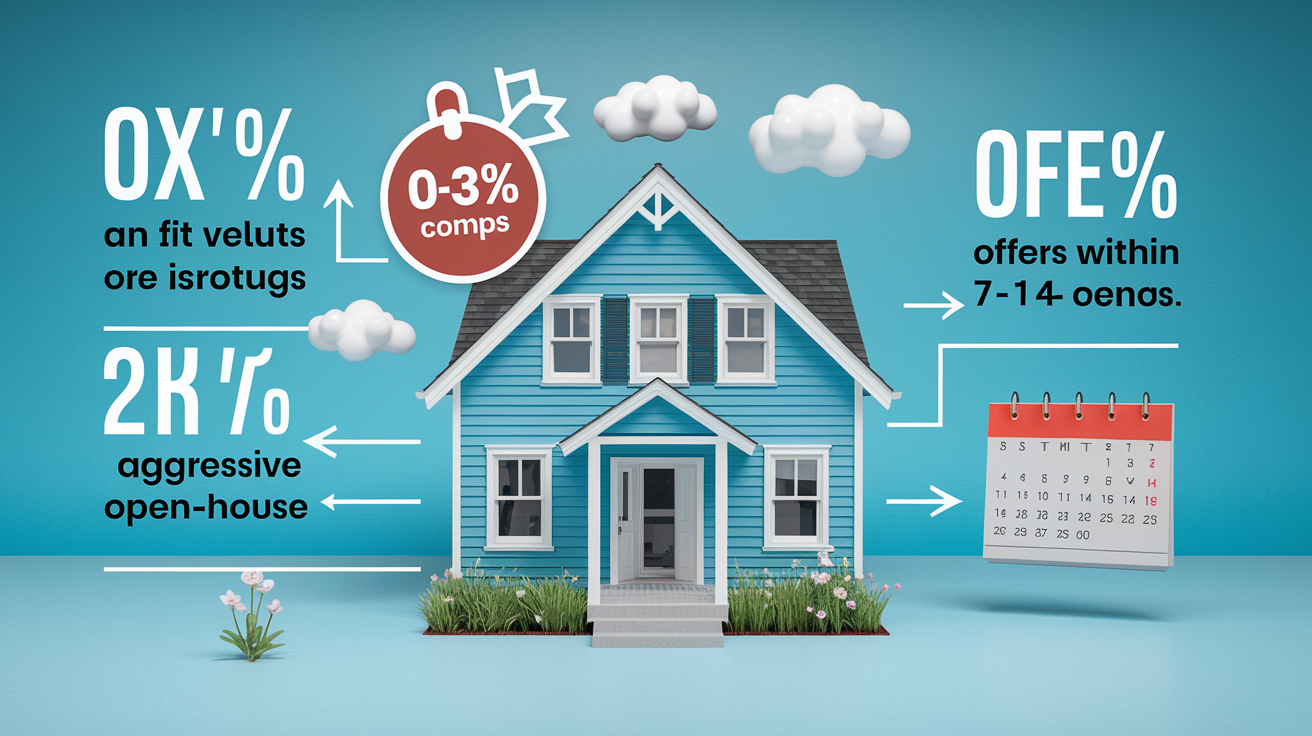
Pricing competitively during Atlanta’s spring peak often generates multiple offers and drives final sale prices to or above asking. The most effective approach in March through June is to price within 0% to 3% below recent comparable sales, signaling to buyers that the home offers strong value and creating urgency to act quickly before competition heats up. Homes priced this way typically generate 5 to 10 showings during the first weekend and receive offers within 7 to 14 days, the critical price discovery window when buyer interest peaks and listing visibility is highest. Overpricing, even by a small margin, can cause the home to sit while buyers focus on better positioned inventory, lengthening days on market and ultimately requiring a price cut that signals distress rather than opportunity.
Marketing intensity during the first two weeks determines success. Schedule an open house for the first or second weekend after listing, promote the property across MLS, major real estate portals, and social media, and ensure showing availability is flexible. Evenings and weekends are when serious buyers tour properties. Professional photos, virtual tours, and accurate property descriptions are non negotiable. Most buyers filter and shortlist homes online before ever scheduling a visit. In spring’s competitive environment, homes with strong visuals and clear, detailed listings rise to the top of search results and attract the most qualified traffic. If no offers arrive within 10 to 14 days during peak season, revisit pricing immediately. Delaying a strategic price adjustment only extends time on market and reduces final sale leverage.
Off peak months require adjusted tactics. Winter and late summer listings often need slight price concessions (1% to 3% below spring comps) or buyer incentives like closing cost credits to offset reduced traffic and longer decision timelines. Highlight features that matter in slower seasons. Energy efficiency, move in readiness, and flexibility on closing dates appeal to the smaller pool of active buyers, often investors or relocating employees with near term deadlines. Even in slower months, the first two weeks remain critical. If activity is low, adjust pricing within 21 to 30 days rather than waiting months for market conditions to shift.
| Strategy | Best Season Use | Expected Impact |
|---|---|---|
| Price 0% to 3% below comps | Spring (March to June) | Generates multiple showings in first weekend; offers within 7 to 14 days; often closes at or above list price |
| Aggressive open house schedule | Spring and early fall | Maximizes weekend traffic; creates competitive atmosphere; shortens time to contract |
| Closing cost credits or concessions | Winter and late summer | Attracts cost conscious buyers; offsets slower market conditions; keeps offers flowing in off peak months |
Atlanta Seller Scenarios: Choosing the Best Time Based on Your Goals

Different seller goals (maximum profit, fastest sale, school year timing, or relocation flexibility) call for different listing windows within Atlanta’s seasonal market. Families with school age children typically aim to close by late June or early July, allowing time to settle before the new school year starts in early August. To hit that deadline, list in late February through early April, giving 8 to 12 weeks for showings, inspections, negotiation, and closing. Listing during this window also captures peak buyer traffic, so families get the dual benefit of strong pricing and alignment with their move timeline. Expect median closing timelines around 30 to 45 days for conventional financed sales during spring, though cash offers can close in as little as 10 to 14 days if needed.
Sellers prioritizing maximum profit should target the heart of spring (April and May) when buyer competition, showing frequency, and pricing premiums all peak. Well prepared homes in desirable neighborhoods often sell 3% to 7% higher during these months compared to winter comps, and some hot submarkets see brief seller’s market spikes with pricing uplifts near 10%. This scenario works best for sellers with timing flexibility who can dedicate 8 to 12 weeks to pre listing prep, ensuring the home is staged and priced to capture maximum attention during the market’s strongest two months. Be ready to field multiple offers, but also be prepared to adjust quickly if initial interest is softer than expected. The window of peak leverage is narrow, and pricing discipline remains critical even in hot markets.
Sellers needing a fast sale (relocating for a job, managing financial pressure, or handling estate sales) should still target spring if possible but with more aggressive pricing (2% to 5% below comparable active listings) to trigger immediate offers. If spring timing doesn’t align, consider late summer or early fall (August through October) when corporate relocations create a secondary demand spike and competition among sellers drops. Cash buyer networks and investor demand remain steady year round in Atlanta, so homes priced for speed and marketed to cash purchasers can close in 10 to 30 days even outside peak months. Winter sales are feasible for urgent timelines but typically require price concessions (1% to 4%) and longer marketing windows (45 to 75 days) unless the property is uniquely desirable or priced well below market.
Family/school year move: List late February through early April to close by late June or July. Expect 30 to 45 day closing timelines and strong spring pricing leverage.
Maximum profit: Target April to May listings with 8 to 12 weeks of prep. Price at or slightly below comps to generate competitive offers. Expect 3% to 7% premium over winter sales.
Fast sale/urgent timeline: Price 2% to 5% below active comps and list in spring or early fall. Consider cash buyer marketing. Closing possible in 10 to 30 days with right offer.
Relocation flexibility: Align with corporate transfer cycles (January to March or August to September). List slightly earlier than peak to capture relocating employees with near term start dates.
Final Words
Listing in March–June is the sweet spot: higher sale prices, faster closings, and noticeably more buyer traffic.
Atlanta sellers often see a 2%–7% price lift and 20%–40% more interest in spring, with median sold price near $391,000 and shorter days on market.
If your timing and prep line up, the best time of year to sell a house in atlanta gives you the best shot at top dollar and a quick sale. You’ll be in a strong position.
FAQ
Q: What is the best month to sell a house in Georgia?
A: The best month to sell a house in Georgia is April–May, inside a March–June window; Atlanta data shows stronger buyer traffic, faster sales, and a typical 2%–7% spring price premium.
Q: What is the 3 3 3 rule in real estate?
A: The 3 3 3 rule in real estate is a quick pricing and marketing guide: expect most buyer interest in the first three weeks, track showings for three weeks, then consider about a 3% price adjustment if interest lags.
Q: How to increase home value by $50,000?
A: To increase home value by $50,000, prioritize high‑ROI work: update kitchen or bathrooms, fresh paint, improved curb appeal and landscaping, fix mechanicals, add usable square footage, and stage for Atlanta buyers.
Q: What is the hardest month to sell a house?
A: The hardest month to sell a house is December (and often January), when buyer traffic drops, days on market rise, and Atlanta sellers frequently face longer listings and possible price concessions.